RCMP charges military members with trying to create ‘anti-government militia’ and seize land

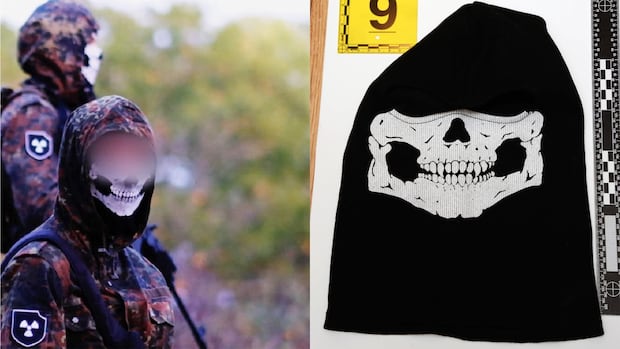
The Royal Canadian Mounted Police (RCMP) has made shocking allegations against active members of the Canadian Armed Forces (CAF), charging them with being part of a terrorist plot. The plot reportedly involved the creation of an anti-government militia, amassing a significant arsenal of weapons, and planning to seize land in the Quebec City area.
According to the RCMP, the group of individuals was allegedly motivated by extremist ideologies and intended to forcibly take possession of land. Four men have been charged in connection with the plot. Marc-Aurèle Chabot, Simon Angers-Audet, and Raphaël Lagacé are facing charges of facilitating a terrorist activity. The RCMP stated that the accused participated in military-style training, shooting exercises, ambush tactics, survival skills, and navigation exercises as part of their alleged plans.
One of the accused individuals reportedly created an Instagram account to recruit members to the militia. Chabot, who was identified as a corporal in the Vandoos (Royal 22nd Regiment) based in CFB Valcartier, allegedly made concerning comments about the federal government and Prime Minister Justin Trudeau, described as “almost treasonous” by a colleague.
Another individual, Matthew Forbes, faces charges related to the possession of firearms, prohibited devices, explosives, and controlled items. The RCMP conducted searches in the Quebec City area in January 2024, resulting in the seizure of 16 explosive devices, 83 firearms, 11,000 rounds of ammunition, night-vision goggles, and military equipment.
Jessica Davis, a former analyst with the Canadian Security Intelligence Service (CSIS), described this cache of weapons as the largest in any Canadian terrorism incident. She emphasized the severity of the situation, indicating that the individuals were preparing for a significant event or potentially building up their forces for recruitment purposes.
This unprecedented case marks the first time active members of the Canadian Armed Forces have been charged with terrorism-related offenses. The RCMP’s investigation, which began in the spring of 2023, revealed that the alleged activities started in 2021. The complexity of national security investigations was highlighted, with concerns about the individuals’ military training, combat tactics, and possible networks within their units.
The Canadian Armed Forces have faced scrutiny for their handling of extremist ties within the ranks. A report in 2022 highlighted the rise of members belonging to extremist groups, prompting calls for better measures to address hateful views and extremism. The presence of individuals with extremist ideologies in the military has raised concerns about security and the potential for radical actions.
In light of past incidents involving military personnel engaging in extremist activities, such as the case of Patrik Mathews and Corey Hurren, there is a growing awareness of the need to address extremism within the armed forces. The investigation into the alleged terrorist plot involving active CAF members underscores the ongoing challenges of identifying and preventing extremist behavior within military ranks.
The unfolding developments in this case serve as a stark reminder of the importance of vigilance and proactive measures to combat extremism and ensure the security and integrity of the Canadian Armed Forces. As the accused individuals face legal proceedings, the implications of their alleged actions reverberate within the military and broader society, underscoring the need for continued efforts to safeguard against extremist threats.