REAL ID rollout leaves some privacy-minded lawmakers mum
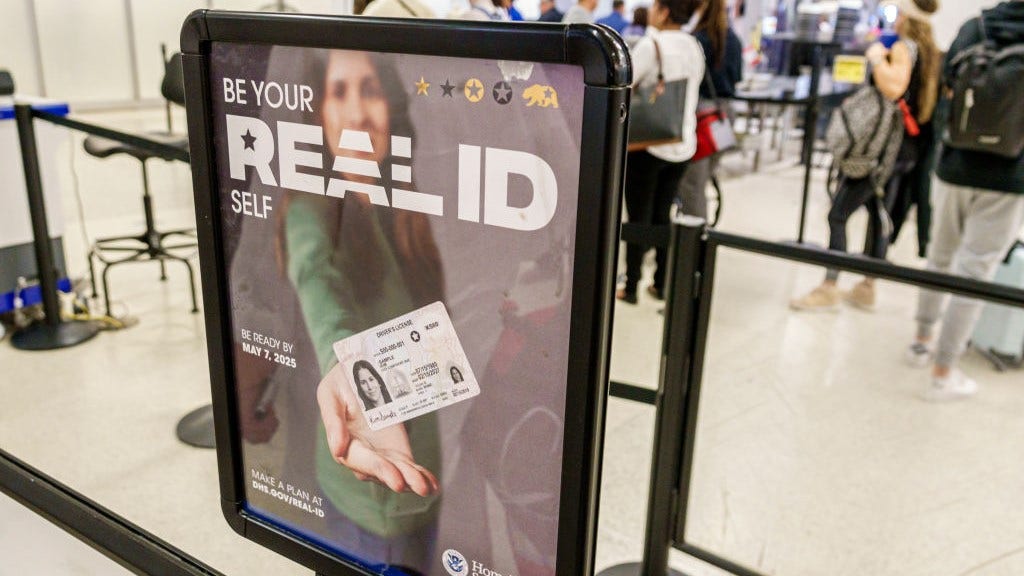
With President Donald Trump back in the White House and the final rollout of federal REAL ID requirements set to take effect in May, many privacy advocates in Washington have been surprisingly quiet. While lawmakers on both sides of the aisle have been vocal in criticizing measures like the Patriot Act in the past, there seems to be a lack of concern over the impending implementation of the REAL ID Act.
Critics of the REAL ID Act argue that it essentially establishes a national identification system, raising concerns about privacy and government surveillance. Despite their previous outspokenness on privacy issues, some lawmakers have remained notably silent on the issue. Senators Edward Markey, Ron Wyden, and Jeff Merkley, who have all been vocal critics of measures like the Patriot Act and the Foreign Intelligence Surveillance Act (FISA), have not raised alarms about the REAL ID Act.
In a statement in 2020, Senator Markey expressed his concerns about the government’s surveillance tools and their impact on civil liberties. Senator Merkley, who voted against the Patriot Act renewal in 2011, also raised concerns about the government’s ability to collect personal data through such legislation. Senator Wyden, known for his efforts to protect individual privacy, has previously called for a better balance between national security and civil liberties.
The REAL ID Act requires individuals to provide their Social Security number and other documentation to obtain a REAL ID-compliant identification card. Despite facing delays due to various factors, including the COVID-19 pandemic, the implementation of the REAL ID Act is now imminent. While some lawmakers have not commented on the issue, others continue to advocate for stronger privacy protections.
In a statement to Fox News Digital, Assistant DHS Secretary Tricia McLaughlin defended the REAL ID requirements, stating that they make identification harder to forge, thus thwarting criminals and terrorists. She also highlighted that a large percentage of air travelers already hold REAL ID-compliant identification. The Department of Homeland Security is working to inform the public, facilitate compliance, reduce wait times, and prevent fraud related to the REAL ID Act.
Despite the silence from some lawmakers, concerns about privacy and government surveillance remain high. It is essential for lawmakers to address these issues and ensure that individuals’ privacy rights are protected. As the deadline for REAL ID compliance approaches, it is crucial for policymakers to consider the implications of such legislation on civil liberties and personal privacy.