World’s first continuous beating heart transplant
In a groundbreaking achievement, surgeons at National Taiwan University Hospital (NTUH) have successfully performed a heart transplant in which the donor organ never stopped beating. This revolutionary procedure marks a significant advancement in cardiac surgery, as it eliminates the traditional pause in blood flow, known as ischemic time, which can cause damage to the heart muscle and increase the risk of complications post-surgery.
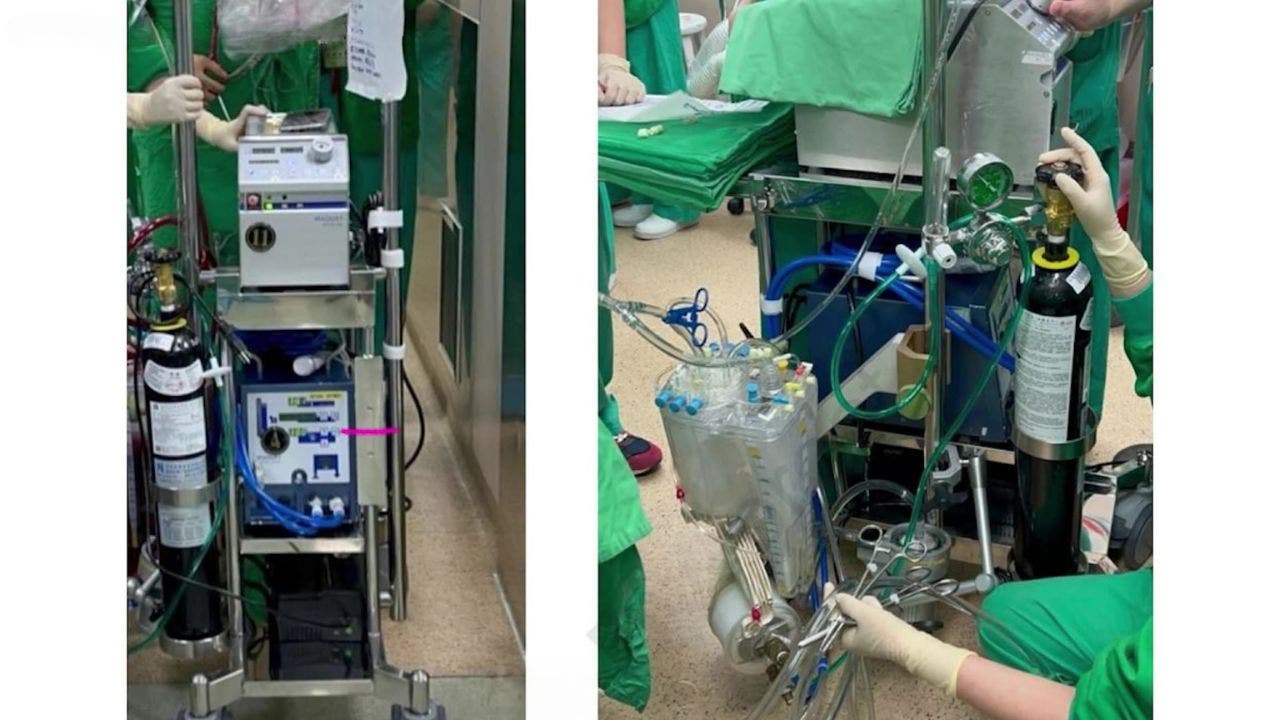
The key to this innovative approach lies in NTUH’s custom organ care system, which acts as a portable life-support machine. By keeping the heart continuously pumping oxygenated blood throughout the entire transplant process, NTUH has set a new standard in cardiac surgery that promises better outcomes for patients worldwide.
Traditional heart transplants typically involve cold storage, which temporarily halts blood flow to the organ. Even a brief interruption in oxygen supply can lead to damage to the heart muscle, increasing the likelihood of rejection or post-surgery complications. NTUH’s method, on the other hand, ensures that the heart receives a constant supply of oxygenated blood from donor to recipient, without any interruptions or cold storage.
Inspired by ECMO life support technology, NTUH’s organ care system utilizes a system of pumps, oxygenators, and reservoirs to keep the heart pumping outside the body. During the groundbreaking surgery, the team transported a donor heart between operating rooms while it was still beating, connected to this device. The recipient, a 49-year-old woman with dilated cardiomyopathy, experienced a smooth recovery and exhibited remarkably low cardiac enzyme levels, indicating a healthy heart muscle.
While Stanford University had previously pioneered “beating-heart” transplants in 2023, their method still involved brief ischemic periods during organ transfer. NTUH’s zero-ischemic approach represents a significant advancement in the field, with the heart never stopping beating throughout the entire process.
With two successful transplants already completed using this innovative technique, NTUH aims to further refine the organ care system and expand access to more patients in need. Their groundbreaking findings, published in the Journal of Thoracic and Cardiovascular Surgery Techniques, have the potential to revolutionize global transplant protocols and offer hope for shorter waitlists and improved recovery outcomes.
NTUH’s milestone achievement not only showcases technical expertise but also underscores the potential to save lives through innovative medical advancements. By eliminating ischemic time, they have turned what was once deemed impossible into a reality. For patients awaiting transplants, this breakthrough offers the promise of stronger donor hearts, reduced complications, and a greater chance at a successful recovery.
As NTUH continues to push the boundaries of cardiac surgery, their zero-ischemic time approach holds the potential to transform the landscape of organ transplants and provide hope for patients in need of life-saving procedures.