State Department to cut or revamp more than 300 offices in largest overhaul since Cold War
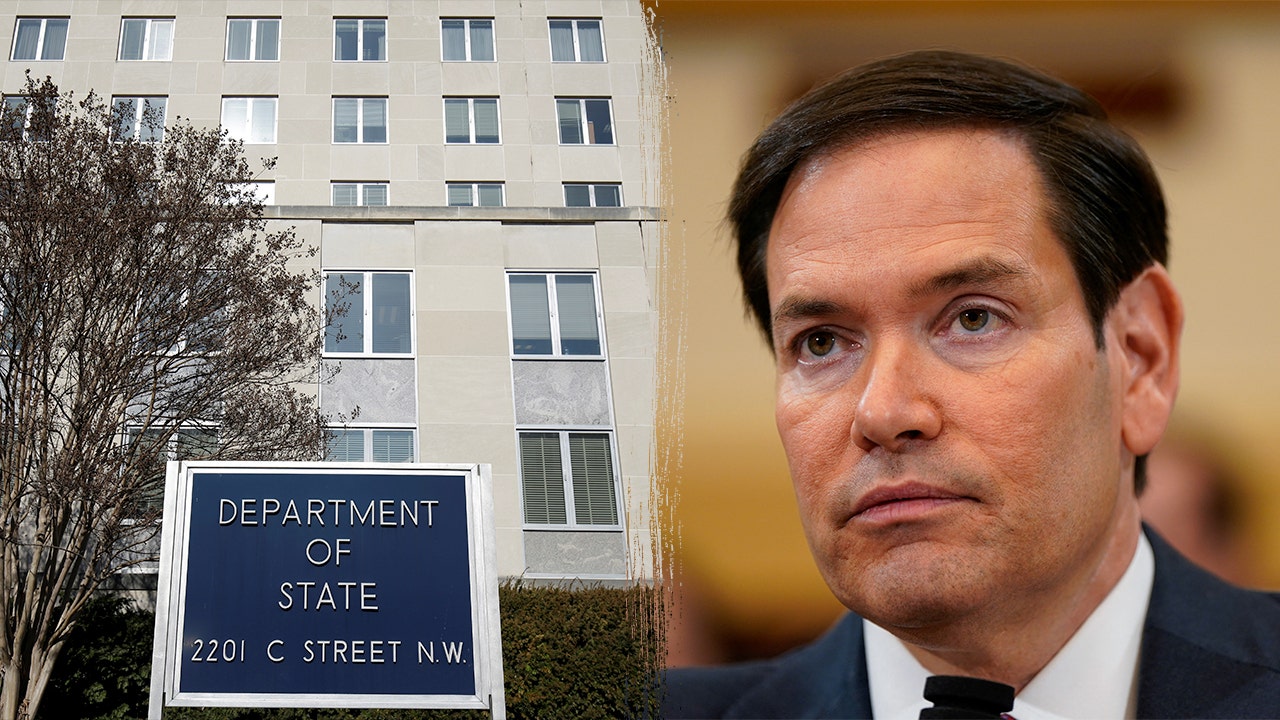
The State Department is undergoing a massive overhaul that will see the cutting or consolidation of more than 300 of the agency’s offices and bureaus. This restructuring is part of an effort to streamline the department and make it more efficient in responding to threats and representing the U.S. abroad.
Secretary of State Marco Rubio first announced plans for this restructuring in April, citing the department as “bloated, bureaucratic, and unable to perform its essential diplomatic mission.” The State Department submitted a notice to Congress Thursday outlining the overhaul, which is the largest restructuring for the agency since the Cold War.
The goal of the reorganization is to cut red tape, place greater emphasis on the agency’s primary mission, and eliminate bureaucratic overgrowth in Washington. The agency aims to shrink offices rather than create new ones, with plans to slash or merge 311 existing domestic offices, potentially eliminating up to roughly 3,400 State Department personnel.
The restructuring will see the merging of various branches to streamline operations and make reporting lines clearer. Additionally, new offices will be added, including a deputy assistant secretary for democracy and Western values, as well as new immigration security offices to address immigration priorities. A new bureau of emerging threats will also be established to address issues like artificial intelligence, hypersonic weapons, and space.
The reorganization will empower regional bureaus and embassies, giving them more authority to implement the administration’s agenda. This shift aims to reduce the layers of bureaucracy in Washington and focus more on the front lines of American diplomacy.
While the restructuring is not a cost-saving endeavor, it is designed to empower ideas and action at the embassy level and through regional bureaus. The State Department aims to implement the new structure by July 1, with Secretary Rubio emphasizing the importance of empowering regional bureaus and embassies to drive innovation and action.
However, Senator Jeanne Shaheen has voiced caution about the reforms, emphasizing the need to carefully weigh the costs to American security and leadership. She highlights the importance of a strong and mission-ready State Department in advancing American national security interests, opening up new markets, and promoting global peace and stability.
Overall, the State Department’s reorganization plans signal a significant shift in how the agency operates, with a focus on efficiency, empowerment, and effectiveness in carrying out its diplomatic mission.