Woman calls for improved gynecological care in NB after 11 years of waiting for diagnosis
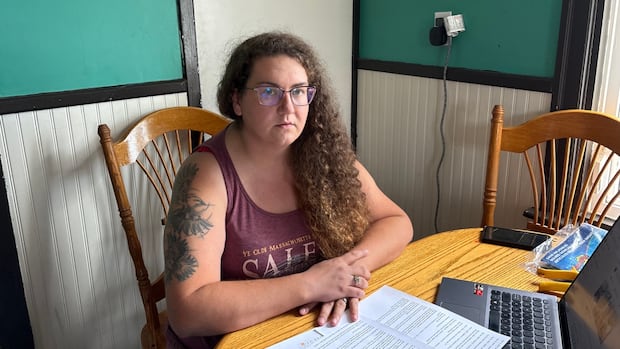
Rosanna Gallant, a 32-year-old woman, was relieved when she received a diagnosis of polycystic ovarian syndrome (PCOS) in April. PCOS is a common endocrine disorder in women of reproductive age, causing infertility, irregular menstrual bleeding, ovary cysts, excessive facial hair, and psychological problems. Despite years of struggling to be heard, Gallant finally got the validation she needed.
However, four months after her diagnosis, Gallant found herself struggling once again, this time for support from her doctor on how to manage her symptoms. This experience is all too familiar for experts in the medical field who are calling for improvements in women’s healthcare, including better doctor training, follow-up care, and reduced waiting times.
Gallant first learned about PCOS at a young age because her mother also had the condition. She began to suspect she had it in 8th grade when she experienced symptoms like irregular periods and excessive facial hair. Despite seeking medical help as a teenager, Gallant’s symptoms were dismissed or misdiagnosed.
It wasn’t until years later, when she and her husband were trying to conceive, that Gallant pushed for a proper diagnosis. After a long wait and multiple appointments, she was finally diagnosed with PCOS by a specialist. However, even after receiving a second diagnosis, Gallant still struggled to receive the support and information she needed to manage her condition.
Gallant’s story is just one example of the challenges women face in accessing quality healthcare for gynecological issues. A study published in BMC Women’s Health found that nearly half of women with PCOS do not receive proper follow-up care after diagnosis. This lack of continuity in care is a common issue in women’s health and can lead to frustration and untreated symptoms.
Dr. Karen Desrosiers, a gynecologist, has also experienced challenges in providing timely care to her patients due to long waiting lists and overwhelming demand. Many women are turning to private healthcare providers like Desrosiers due to the lengthy wait times in the public system. This trend highlights the need for improved access to gynecological care for women across the country.
Dr. Sony Singh, a medical professor, emphasizes the need for systemic change in women’s healthcare to address the inequalities and biases that exist. Women often face long wait times, lack of access to specialized care, and a general lack of understanding of their unique health needs. Singh calls for action to improve research funding, access to care, and overall support for women’s health issues.
In the Maritimes, where access to gynecological care is particularly challenging, there is a clear need for more resources and support for women. With a shortage of midwife-gynecologist positions and limited access to essential equipment, women in this region are at a disadvantage when it comes to managing their gynecological health.
Overall, Rosanna Gallant’s journey highlights the need for improved support and understanding of women’s health issues, particularly in the field of gynecology. By addressing the systemic barriers and biases that exist, we can ensure that women receive the care and support they need to manage conditions like PCOS effectively.