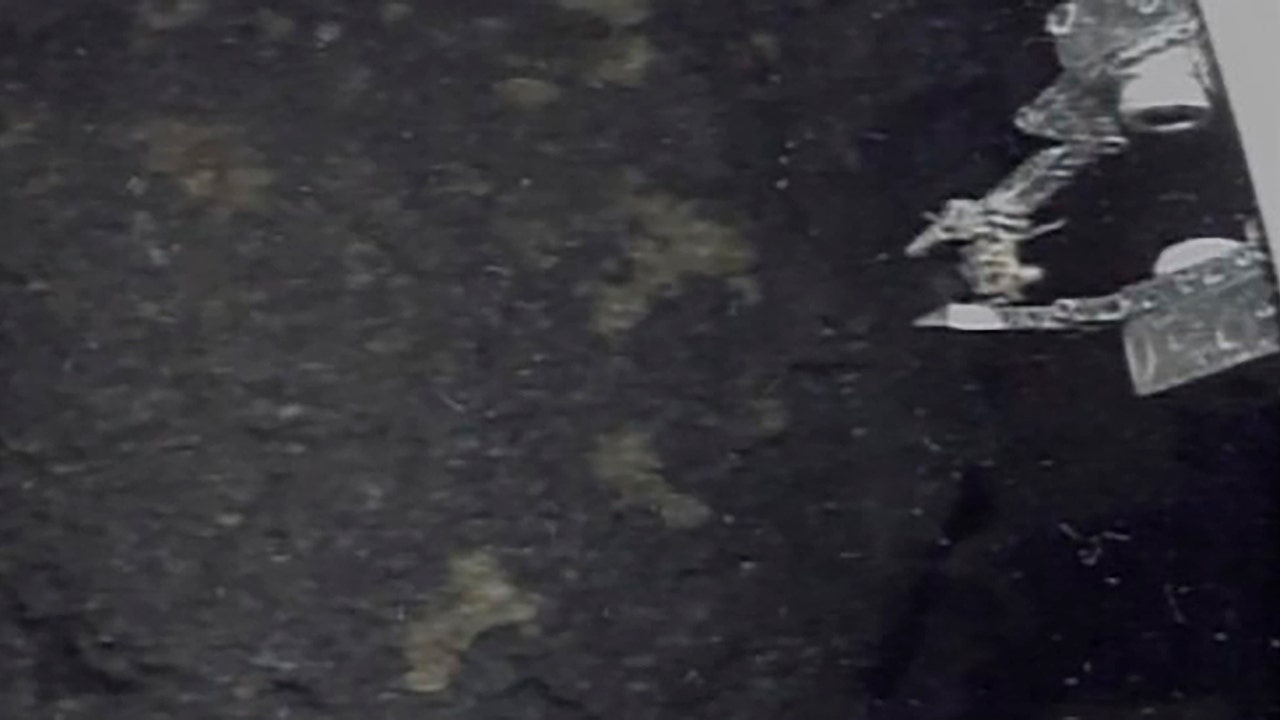
A groundbreaking development has emerged from the Fukushima Daiichi nuclear plant, where a robot has successfully retrieved a small sample of melted nuclear fuel from inside the ruins of a reactor. This marks a significant step towards the long-awaited cleanup of the hundreds of tons of melted fuel debris that have remained a challenging obstacle since the 2011 tsunami disaster.
The sample, described as being the size of a grain of rice, was carefully placed into a secure container by the Tokyo Electric Power Company Holdings (TEPCO), which manages the plant. The container will now be transported to a glove box for detailed size and weight measurements before being sent to external laboratories for thorough analysis over the next few months.
Plant chief Akira Ono has emphasized the importance of this sample in providing crucial data for planning a decommissioning strategy, developing necessary technology and robots, and gaining insights into the progression of the accident. While this first sample is a significant achievement, TEPCO spokesperson Kenichi Takahara highlighted that additional small-scale sampling missions will be required to gather more data for the cleanup efforts.
Despite numerous probes conducted over the years, much about the highly radioactive interior of the Fukushima Daiichi plant remains shrouded in mystery. The successful retrieval of this sample, the first from inside a reactor, has provided valuable information. Surprisingly, the sample was found to be less radioactive than anticipated, easing concerns about its safe handling and testing.
The robot responsible for this groundbreaking mission, affectionately named Telesco, commenced its operation in August with the initial goal of a two-week round trip. However, progress was impeded by mishaps, including an assembly error and a camera failure, which led to delays. Finally, on October 30, Telesco successfully clipped a sample weighing less than 3 grams from the melted fuel debris within the Unit 2 reactor’s primary containment vessel.
See also Rep. Alexandria Ocasio-Cortez’s tough Bronx persona is under fresh scrutiny with a resurfaced childhood nickname from her suburban upstate New York upbringing casting doubt on that publicly portrayed image. The progressive champion’s latest spat with President Donald Trump over the Iran strikes again called into question her true upbringing when she declared on X she was a “Bronx girl" to make her a point against the president. The 35-year-old congresswoman wrote in part on X: "I’m a Bronx girl. You should know that we can eat Queens boys for breakfast. Respectfully," she said, referring to the president’s upbringing in Queens as she called for his impeachment over his decision to bypass Congress in authorizing U.S. strikes on Iranian nuclear facilities. Ocasio-Cortez was born in the Bronx but moved to Yorktown – which is nearly an hour outside New York City -- when she was 5 years old and went on to attend Yorktown High School where she graduated in 2007. She was considered an accomplished student there and well thought of by teacher Michael Blueglass, according to a 2018 report by local media outlet Halston Media News. “There, known by students and staff as ‘Sandy,’ she was a member of the Science Research Program taught by Michael Blueglass," the report states. “She was amazing," Blueglass said, per the report. “Aside from her winning one of the top spots and going to the [Intel International Science and Engineering Fair], she was just one of the most amazing presenters in all of the years I've been at Yorktown. Her ability to take complex information and explain it to all different levels of people was fantastic." After high school, Ocasio-Cortez attended Boston University, where she majored in economics and international relations, per the report. Ocasio-Cortez’s “Sandy" nickname — which carries a more suburban and preppy tone — appears to undercut her politically crafted image as a tough, inner-city fighter, one she has portrayed since her famous 2018 congressional campaign where she eventually ousted former 10-terms Congressman Joe Crowley. New York GOP Assemblyman Matt Slater, who now represents Yorktown, added to the scrutiny of Ocasio-Cortez’s persona in the wake of her brash with Trump and released images of Ocasio-Cortez from his high school yearbook. He claimed he and the rising Democratic star attended Yorktown High School at the same time when she was a freshman and he was a senior. "I saw the attacks on the president and her [Ocasio-Cortez] claims that she's a big, tough Bronx girl," said Slater. "To sit there and say that she’s a Bronx girl is just patently ridiculous." "Everybody in our community knows this is just a bold-face lie," said Slater on "Fox & Friends First" last week. "She grew up in Yorktown, she was on my track team." "She's lying about her background, she's lying about her upbringing," Slater claimed. Slater’s post sent social media ablaze and prompted Ocasio-Cortez to respond after an image if her family’s home was posted online. “I’m proud of how I grew up and talk about it all the time," Ocasio-Cortez wrote on X Friday responding to the post. “My mom cleaned houses and I helped. We cleaned tutors’ homes in exchange for SAT prep." “Growing up between the Bronx and Yorktown deeply shaped my views of inequality & it’s a big reason I believe the things I do today!"
This achievement marks a significant milestone in the cleanup efforts at Fukushima Daiichi, where an estimated 880 tons of melted fuel remain in the reactors. The government and TEPCO have set a target of completing the cleanup by 2051, although experts suggest that this timeline may be overly optimistic and require adjustments. The full removal and disposal plans for the fuel debris have yet to be finalized.
Chief Cabinet Secretary Yoshimasa Hayashi reassured the public that despite some delays, the overall decommissioning process will not be compromised. The successful retrieval of this sample signifies a crucial advancement in the long and challenging journey towards restoring Fukushima Daiichi and ensuring the safety of the surrounding areas.
As the world watches this historic moment unfold, the lessons learned from this mission will undoubtedly shape the future of nuclear cleanup efforts and disaster response strategies. The resilience and determination displayed by the team behind this mission serve as a beacon of hope for Fukushima Daiichi and communities affected by the tragedy of 2011.