Biden imposes new Methane emissions tax on way out of White House
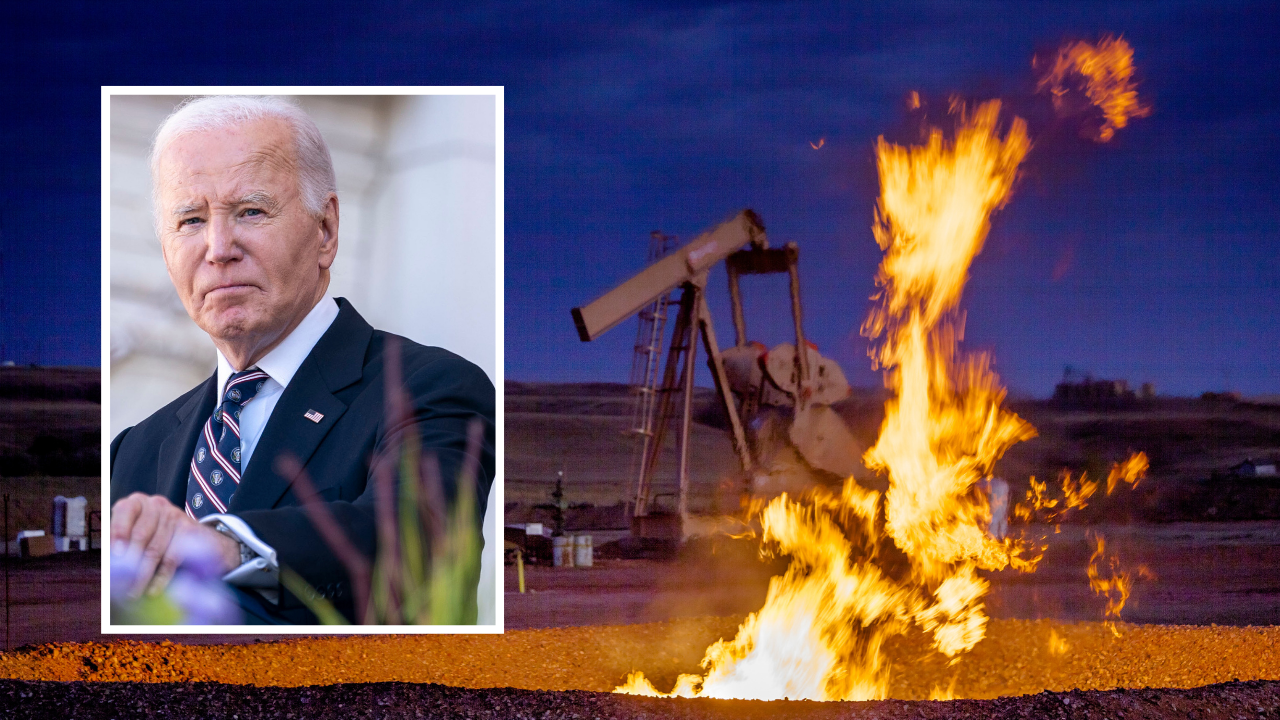
President Joe Biden’s Environmental Protection Agency (EPA) has taken a significant step towards addressing methane emissions from the oil and gas sector by finalizing a new rule that imposes a tax on these emissions. This move is part of Biden’s broader climate legislation, known as the Inflation Reduction Act, which includes a Waste Emissions Charge provision. While the waste emissions charge was mandated by Congress, the Biden administration has the authority to determine the extent of regulation.
The new fee will start at $900 per metric ton of methane emitted over a specific performance level in 2024. This fee will increase in subsequent years, reaching $1,200 per metric ton in 2025 and $1,500 per ton in 2026. The EPA plans for the fee to continue rising each year thereafter. EPA Administrator Michael Regan emphasized that this Waste Emissions Charge is part of President Biden’s methane strategy to enhance efficiency in the oil and gas sector, support American jobs, protect clean air, and strengthen U.S. leadership in combating climate change on the global stage.
Before the implementation of this new methane emissions rule, President Biden had already reversed a Trump-era action that had relaxed methane emissions standards put in place during the Obama administration. This latest rule targeting methane emissions has been praised by climate change advocates, such as the Clean Air Task Force. However, critics like Steve Milloy from the Energy and Environmental Legal Institute argue that targeting methane emissions may not be as effective as expected, given that the majority of greenhouse gases are water vapor and carbon dioxide.
Milloy also raised concerns about the impact of the tax on the oil and gas industry, suggesting that it may favor larger companies over smaller ones. He pointed out that microbes, rather than man-made sources like power plants, are the largest source of methane emissions. Additionally, Milloy criticized the selective targeting of the oil and gas sector while ignoring methane emissions from agriculture.
Republican Rep. Greg Murphy of North Carolina echoed concerns about the new tax, warning that it could raise costs and hinder investment in the industry. With the end of Biden’s presidency approaching, speculation has arisen about potential changes to these climate initiatives under a new administration. President-elect Donald Trump has indicated a willingness to repeal many of the green energy policies implemented by Biden.
In conclusion, the EPA’s new rule on taxing methane emissions from the oil and gas sector represents a significant step towards addressing climate change. While the move has garnered praise from some quarters, concerns remain about its effectiveness and potential impacts on different sectors of the economy. The debate over environmental regulations and climate policy is likely to continue as administrations change and new priorities emerge.