Lawmakers fear losing hundreds of billions of dollars to fraud unless Senate acts
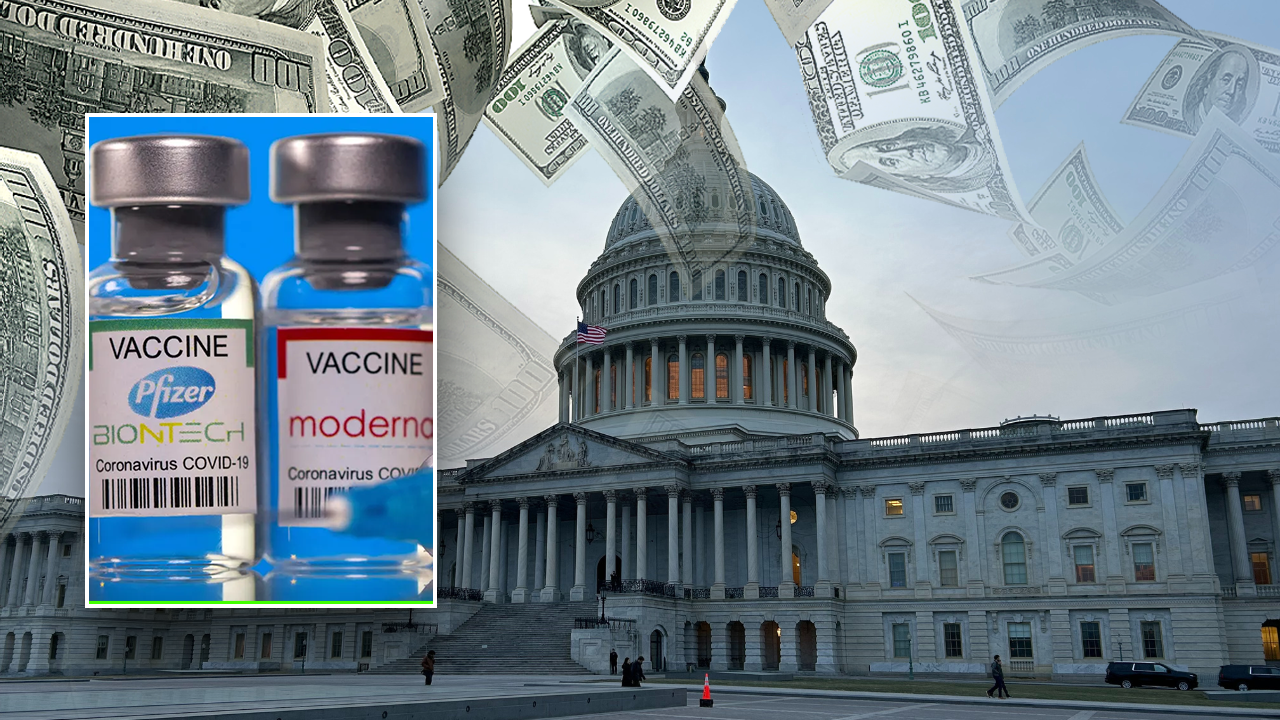
Federal law enforcement’s ability to prosecute fraud in COVID-era unemployment programs has been severely hampered by the expiration of the statute of limitations. While Congress extended the statute of limitations for pandemic-era business relief fraud in 2022, the window to prosecute fraud in individual relief programs has now closed.
According to Andrew Moylan, a public finance policy expert at Arnold Ventures, law enforcement officials are still trying to track down massive amounts of fraud. The inability to prosecute these cases on a daily basis is a significant problem that should be addressed by Congress without delay.
The House recently passed a bipartisan bill to extend the statute of limitations for pandemic unemployment fraud from five to 10 years, but the Senate has yet to take up a companion bill to solidify the extension. This delay has prompted House lawmakers to urge their Senate colleagues to prioritize this issue.
Rep. Jason Smith, chairman of the House Ways & Means Committee, emphasized the urgency of recovering the up to $135 billion lost to fraud in pandemic unemployment insurance programs. With only $5 billion recovered so far, there is a pressing need to send a strong message that criminals who take advantage of government support for those in need will be held accountable.
Moylan highlighted that much of the unemployment fraud during COVID originated from loopholes in the Pandemic Unemployment Assistance program. The lack of stringent paperwork requirements allowed individuals to easily apply for and receive significant amounts of unemployment benefits. Instances of fraud included claims made under the names of deceased individuals or prison inmates.
The Government Accountability Office estimates that as much as $135 billion was lost to fraud in pandemic unemployment insurance programs, with only a small fraction recovered. There are over 2,500 uncharged criminal matters or ongoing field investigations related to COVID-era unemployment fraud between the Department of Justice and the Department of Labor.
If the statute of limitations is not extended by Congress, federal law enforcement will be unable to prosecute these cases, leaving fraudsters unpunished. GOP lawmakers have called on their Senate colleagues to follow the House’s lead in passing legislation to extend the statute of limitations for prosecuting pandemic-era unemployment fraud.
Moylan suggested that the Senate’s delay in addressing this issue may be due to competing priorities dominating proceedings. However, failure to act promptly will result in the loss of the ability to prosecute more fraud in these programs. It is imperative for the Senate to take action swiftly to ensure that criminals who exploited pandemic relief programs are held accountable.