Bipartisan lawmakers introduce bill to bolster water system protections from hackers
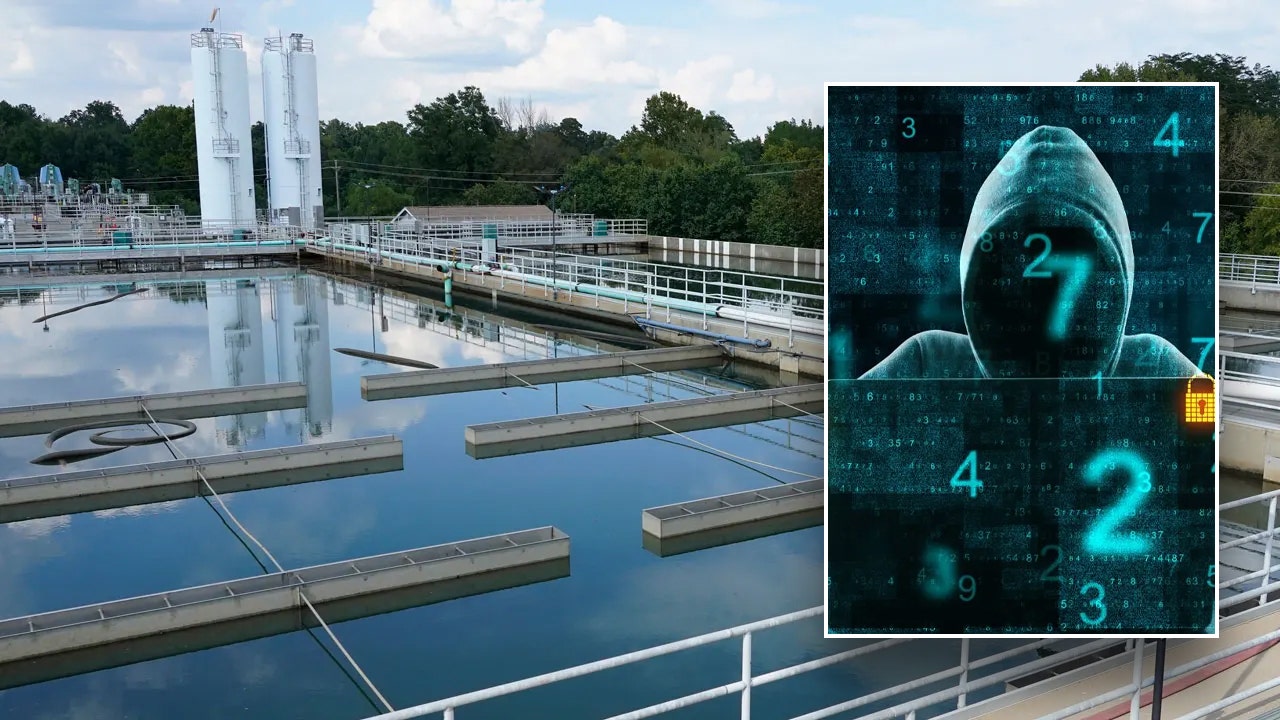
Bipartisan lawmakers on Capitol Hill are taking action to protect the country’s water systems from foreign hackers with the introduction of a new bill. Senators Ruben Gallego, D-Ariz., and Tom Cotton, R-Ark., have authored the Water Cybersecurity Enhancement Act in response to the increasing frequency of cyberattacks on public infrastructure.
The bill aims to provide support and resources to public water systems to prevent and respond to cyberattacks. Senator Gallego emphasized the importance of ensuring safe and secure access to water, especially in states like Arizona where water security is critical. He stated that adversaries are actively trying to undermine water security and it is crucial to equip public water systems with the necessary tools to defend against cyber threats.
Senator Cotton echoed these sentiments, highlighting the growing threat of cyberattacks on essential services and the need to strengthen cyber defenses for local water utilities. The bill builds on the Safe Drinking Water Act by extending the Drinking Water Infrastructure Risk and Resilience Program to offer technical assistance and grants to community water systems for cyber protection training and guidance.
The introduction of this bipartisan bill comes in the wake of revelations that Chinese officials admitted to being behind a series of cyberattacks on U.S. infrastructure. The attacks targeted ports, airports, utilities, and other critical targets, with Chinese officials linking the campaign to America’s support for Taiwan. The Biden administration learned of these attacks firsthand during a summit in Geneva, where Chinese officials blamed the cyber campaign, named Volt Typhoon, on a criminal organization.
In response to these cyber threats, the U.S. State Department reiterated its commitment to safeguarding critical infrastructure from irresponsible and reckless cyberattacks from Beijing. The Biden administration has warned state leaders about potential cyberattacks on water systems by hackers linked to Iran and China, emphasizing the importance of cybersecurity measures to protect clean and safe drinking water.
Recent incidents, such as the Russian hack on the water system in Muleshoe, Texas, serve as a stark reminder of the vulnerability of water systems to cyberattacks. The Russian hack caused the town’s water system to overflow, resulting in tens of thousands of gallons of water flowing out of the water tower. The attack was attributed to Sandworm, a group believed to be connected to Russia’s spy agency, the GRU.
As lawmakers work to strengthen cybersecurity measures for water systems, the Water Cybersecurity Enhancement Act represents a critical step towards safeguarding essential services and protecting communities from the growing threat of cyberattacks. By providing technical assistance and grants, the bill aims to empower public water systems to defend against malicious cyber activity and ensure the continued safety and security of the country’s water infrastructure.