
Canada braces for Trump’s ‘liberation day’ tariff fight
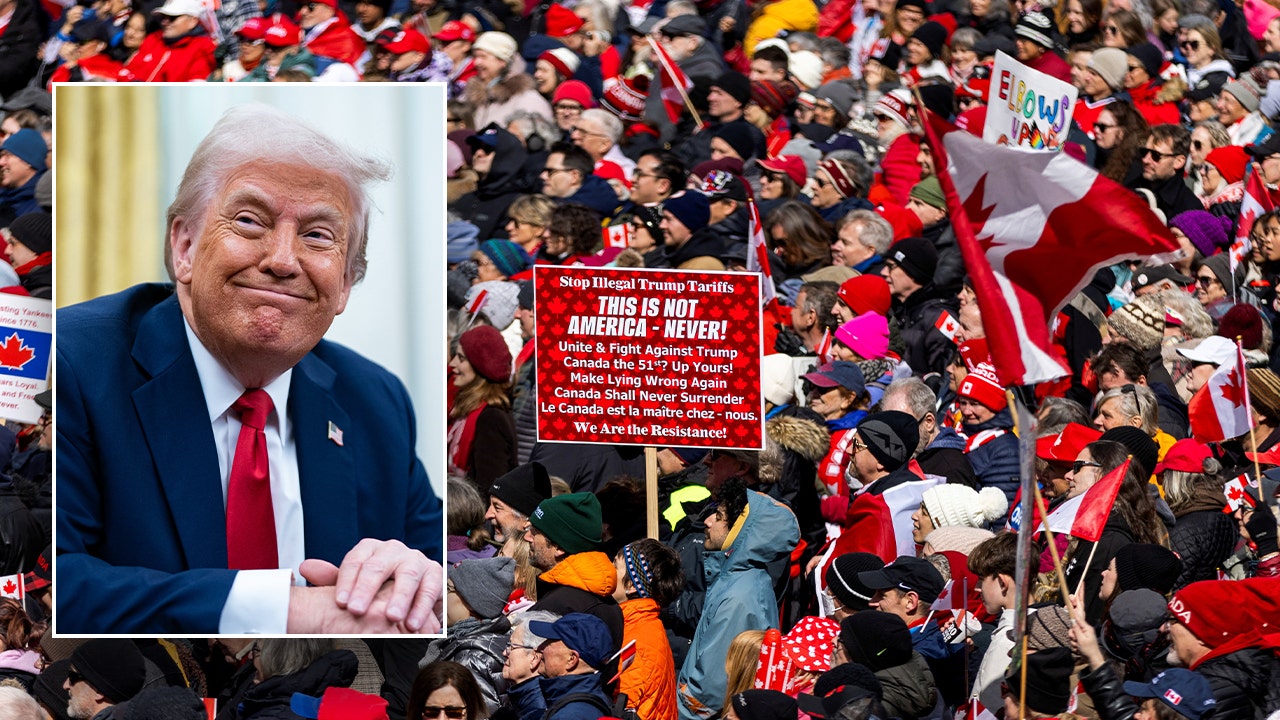
Canada is bracing for the fallout of President Donald Trump’s escalating trade war, with economists warning of spiking grocery prices, major job losses, and even a potential recession if threatened U.S. tariffs take effect. As the United States is Canada’s largest trading partner, accounting for nearly two-thirds of Canadian imports and receiving over 70% of its exports, the impact of these tariffs could be devastating.
Under Trump’s new “liberation day” tariffs – 25% on Canadian goods and 10% on energy – Ottawa now faces an economic gut punch that could ripple across key provinces, industries, and its national election campaign. Trump has repeatedly criticized what he calls “unfair” trade practices, citing Canada’s trade imbalance with the U.S. as justification for the sweeping tariffs.
Increased tariffs could mean that Americans will see higher price tags on everything ranging from fertilizer and oil to vehicles and machinery, deterring consumers from purchasing Canadian products. Likewise, Canada has implemented reciprocal tariffs on $30 billion worth of U.S. goods, leading to immediate price spikes at the grocery store on items like leafy greens, citrus, orange juice, beef, pork, and fish.
Ottawa has yet to announce any tariffs on U.S. imported vehicles due to reported concerns over the impact on Canada’s economy. While there are some $95 billion worth of U.S. goods that Canada is considering putting tariffs on, depending on Trump’s announcements on April 2, the situation remains uncertain.
The potential job losses due to the tariffs are staggering, with up to 1 million Canadian jobs at risk according to Immigration Minister Marc Miller. Provinces like Quebec and Ontario, heavily reliant on steel, aluminum, lumber, and forestry exports, could see as many as 160,000 and 500,000 job losses respectively.
Canada could face a recession this year if it can’t rein in Trump’s tariff offensive, as warned by Oxford Economists. Previous tariff wars have resulted in billions of dollars of losses for both Americans and their foreign counterparts. Trump is banking on the U.S. being less severely affected than nations like Canada, but the full impact of the tariff war remains uncertain.
As Trump targets the “Dirty 15” countries in his tariff war, uncertainty looms over Canada and other nations. Details on Trump’s next steps in the tariff war remain unknown ahead of the April 2 deadline, creating a sense of unease. Businesses want certainty to make future investment decisions, but the climate of uncertainty hampers their ability to plan for the future.
In conclusion, Canada is facing a challenging economic environment due to Trump’s tariffs, with potential job losses, higher grocery prices, and the looming threat of a recession. The impact of these tariffs is uncertain, but Canadian leaders must navigate carefully to protect their economy and ensure stability for the future.


