CDC committee votes to remove mercury-based thimerosal from flu vaccines
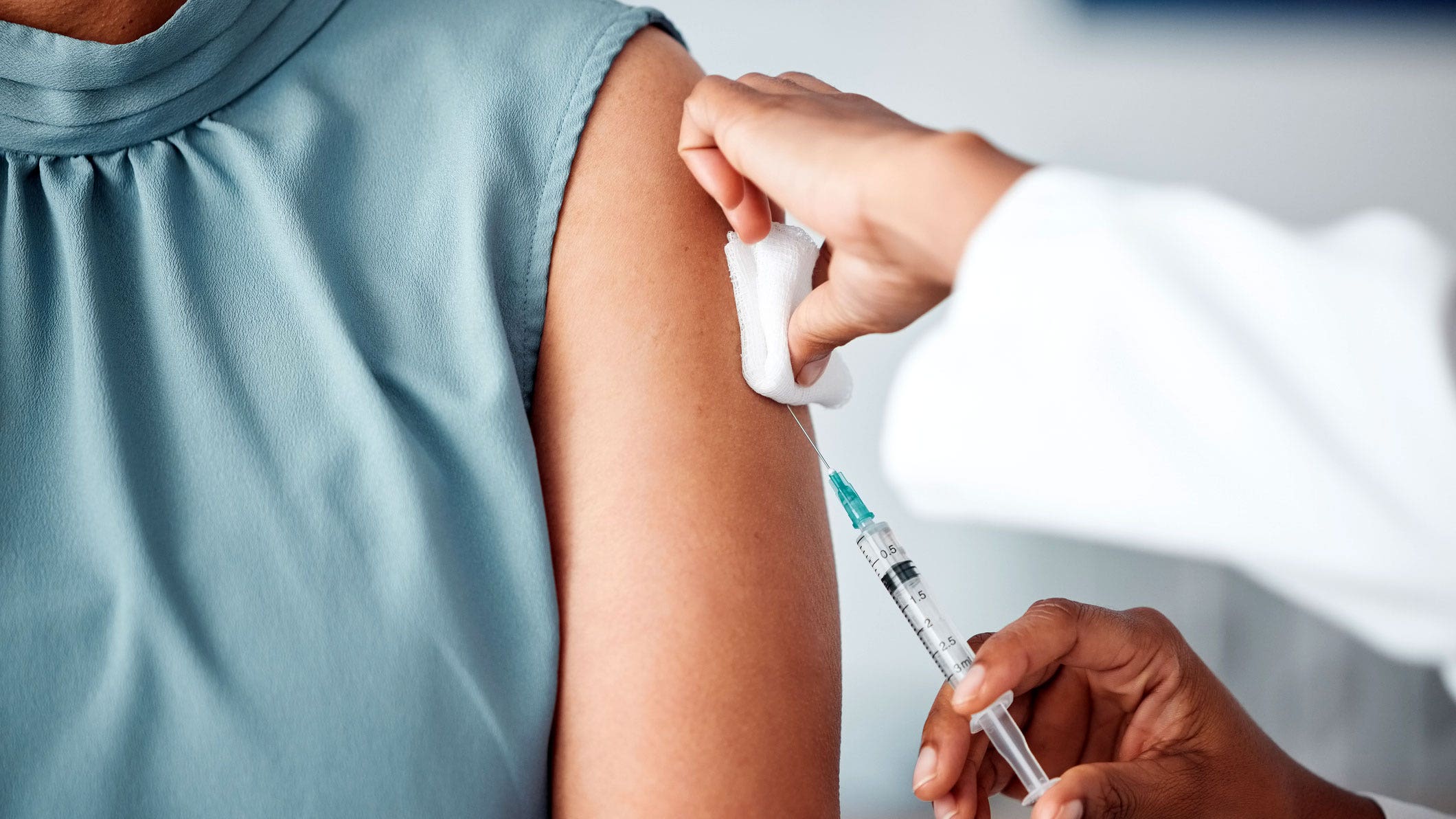
Thimerosal, a vaccine ingredient that has been a topic of controversy for many years, was recently on the agenda for a meeting of the CDC’s Advisory Committee on Immunization Practices (ACIP). The meeting included a presentation on thimerosal in vaccines, as well as proposed recommendations regarding thimerosal-containing influenza vaccines.
Thimerosal, also known as thiomersal, is a mercury-based preservative that has been used in multi-dose vaccines and medications since the 1930s to prevent contamination. It works by stopping the growth of bacteria and fungi, thus ensuring the safety and efficacy of the vaccine.
In response to concerns about potential mercury exposure, the American Academy of Pediatrics, Public Health Service agencies, and vaccine manufacturers have agreed to reduce or eliminate thimerosal in vaccines. In 2001, thimerosal was removed from all vaccines recommended for children 6 and younger, with the exception of influenza vaccines.
While multi-dose flu vaccines still contain thimerosal, alternatives without the ingredient are available. At a recent ACIP meeting, it was recommended that all adults, including pregnant women, and children 18 years and younger should receive seasonal influenza vaccines only in single-dose formulations that do not contain thimerosal.
Despite these recommendations, the CDC and other health agencies maintain that thimerosal is safe and that there is no evidence of harm from the low doses of thimerosal in vaccines. However, there has been a push to remove thimerosal entirely from vaccines, as there are alternative preservatives that do not contain mercury.
Dr. Jacob Glanville, CEO of Centivax, a biotechnology company, emphasized that American children have not been receiving thimerosal in their vaccines for over 20 years. He supports efforts to remove thimerosal entirely from vaccines and ensures that his company’s vaccines do not contain mercury, aluminum, formaldehyde, or animal-derived materials.
In conclusion, the debate over thimerosal in vaccines continues, with ongoing discussions and research on its safety and effectiveness. It is important for individuals to stay informed about vaccine ingredients and make informed decisions about their healthcare. For more health-related articles, visit www.foxnews.com/health.