Donald Trump says this is the reason he won last month’s presidential election
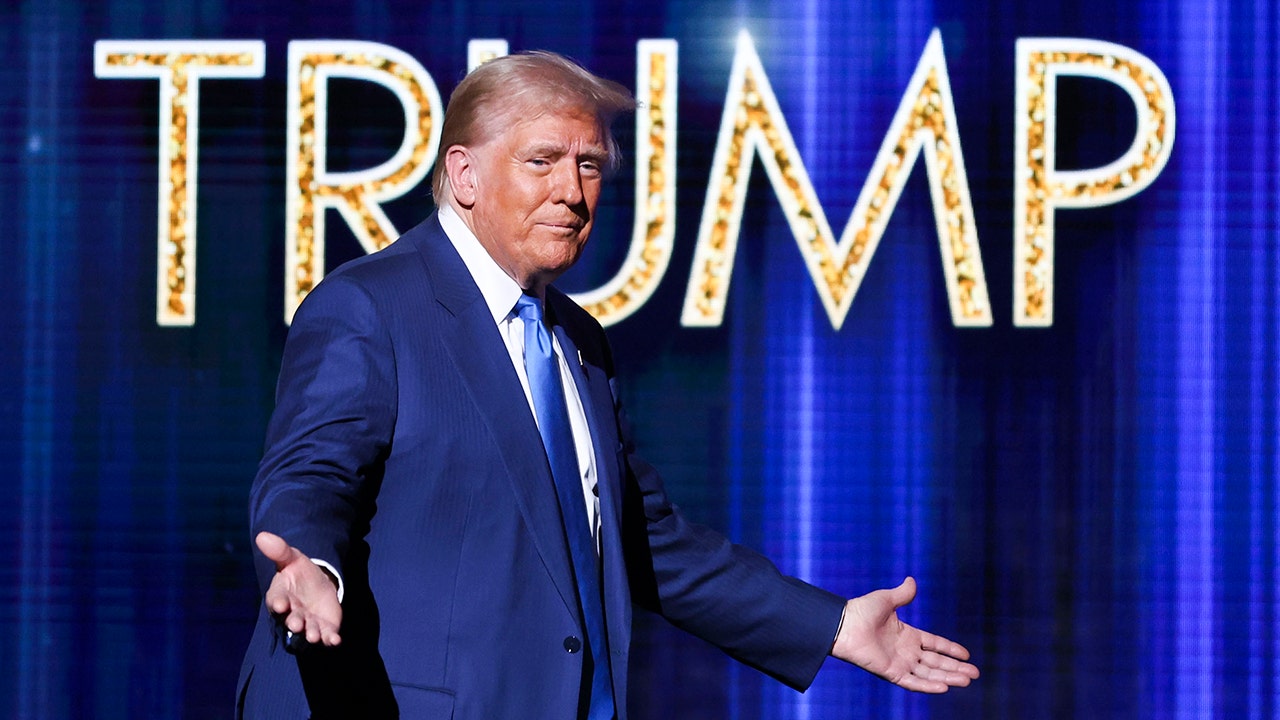
President-elect Trump recently revealed that he believes his victory in the White House last month can be attributed to two key factors. In an interview on NBC News’ “Meet the Press,” Trump stated, “I won on the border, and I won on groceries.”
During the interview, Trump highlighted the issue of high grocery prices as a significant reason for his convincing win over Vice President Kamala Harris. He emphasized the impact of skyrocketing prices on everyday items like apples, bacon, and eggs, stating that these price increases played a crucial role in his electoral success.
Despite a decrease in overall inflation since its peak in 2022, grocery prices remain significantly higher than they were before the onset of the COVID-19 pandemic nearly five years ago. According to the latest Consumer Price Index data from the Bureau of Labor Statistics, Americans are currently paying 22% more for groceries compared to prices when President Biden took office four years ago.
Trump’s focus on addressing high prices resonated with voters, with many expressing frustrations over the economic impact of inflation. The Fox News Voter Analysis of the 2024 election revealed that 40% of voters considered inflation to be the most important factor in their decision, with the majority of them supporting Trump.
Throughout his presidential campaign, Trump pledged to tackle rising prices and bring relief to American consumers. He promised immediate action to reduce prices starting on day one of his presidency, vowing to prioritize the issue of grocery prices.
In his interview on “Meet the Press,” Trump reiterated his commitment to lowering prices and expressed willingness to implement large tariffs on imports from major trading partners. However, he acknowledged the potential consequences of such tariffs, stating that he could not guarantee they would not result in higher costs for Americans.
While Harris criticized Trump’s tariff proposals during the campaign, warning that they could effectively serve as a tax on American consumers, Trump remained steadfast in his approach to addressing trade imbalances through tariffs.
The issue of tariffs remains a contentious topic in economic policy, with governments utilizing them to regulate imports and exports. Tariffs can impact the cost of imported goods, potentially influencing consumer purchasing decisions.
Ultimately, Trump’s focus on addressing high prices and his commitment to implementing tariffs as part of his economic strategy played a significant role in shaping the narrative of the 2024 election. As he prepares to assume the presidency, Trump’s plans to tackle inflation and trade imbalances will be closely watched by Americans and policymakers alike.