
Expert warns Idaho murders plea deal could backfire like Menendez case
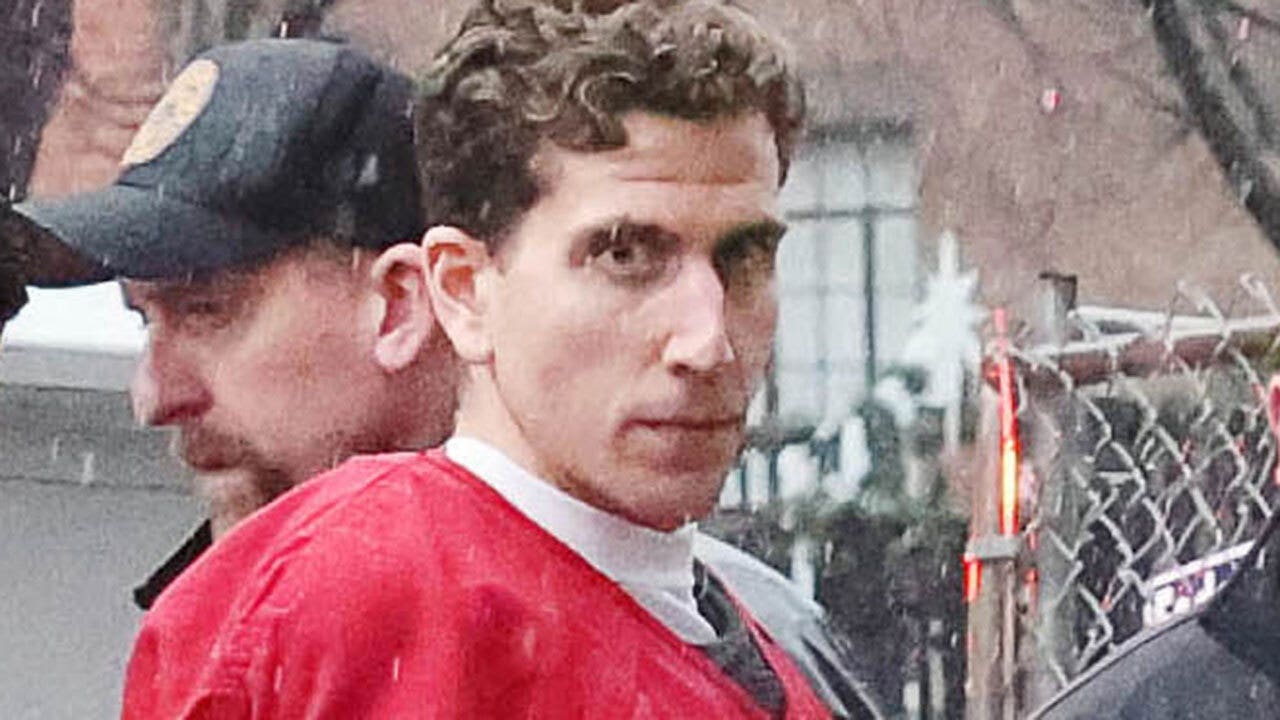
Following the recent plea deal made by Bryan Kohberger, who confessed to the brutal murders of four University of Idaho students in a home invasion stabbing spree, forensic psychologist Dr. Kris Mohandie has raised concerns about the implications of life without parole in the future.
In light of the Menendez brothers’ case, who were initially sentenced to life without parole but later became eligible for parole due to changes in California law, Dr. Mohandie warns that similar leniency could be granted to Kohberger in the future. The plea deal, which saved taxpayer money and prevented Kohberger from appealing his conviction or seeking a sentence reduction, may not guarantee that he remains behind bars indefinitely.
Dr. Mohandie highlights the unpredictability of juries and the possibility of future changes in laws and case precedents that could impact Kohberger’s sentence. He points to high-profile cases like the Menendez brothers, the Manson family, and Scott Peterson, where individuals initially sentenced to death later sought parole, emphasizing the potential for victims’ families to face additional challenges in seeking justice.
While the parents of two of the victims have supported the plea deal, Kaylee Goncalves’s family has expressed opposition, calling the potential death penalty “merely an illusion.” Dr. Mohandie cautions that giving up the right to appeal may not be a permanent decision, as laws and circumstances can change over time.
Despite the lack of a clear motive in the Idaho student murders and Kohberger’s refusal to provide an explanation for his actions, Dr. Mohandie believes that forcing him to come clean could have been crucial for ensuring accountability in the future. He underscores the importance of seeking justice for the victims and preventing potential loopholes that could allow offenders like Kohberger to evade consequences.
In response to concerns about leniency in sentencing, some states have implemented “truth in sentencing” laws to uphold the penalties prescribed for violent crimes. Dr. Mohandie emphasizes the need for accountability and justice to prevent offenders from exploiting legal loopholes and seeking parole in the future.
As Bryan Kohberger awaits formal sentencing, Dr. Mohandie warns that the plea deal may not guarantee that he remains incarcerated for life. The potential for future changes in laws and circumstances could impact the outcome of the case, underscoring the importance of seeking justice for the victims and holding offenders accountable for their actions.


