Foreign farmland purchases near US military bases raise new concerns over drone threats
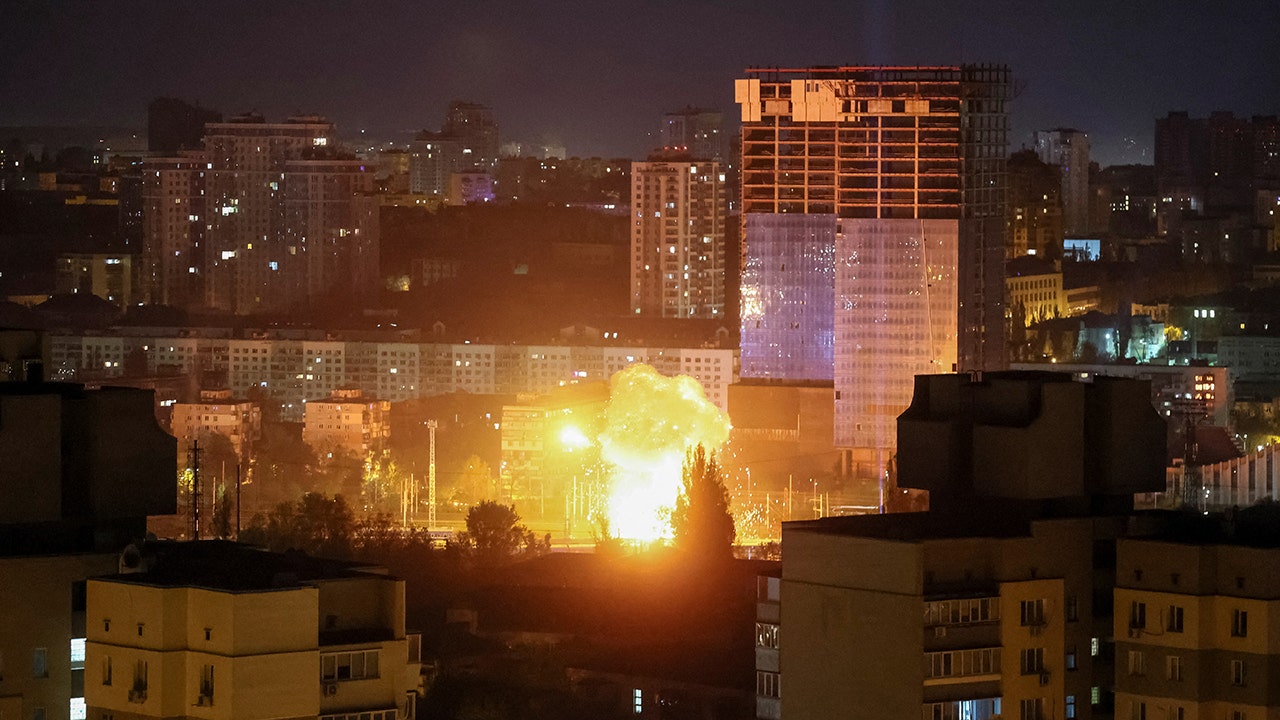
The recent drone attack launched by Ukraine on Russian installations has raised concerns about the vulnerabilities of the U.S., regardless of its stance on Kyiv’s actions. Chinese Communist Party-linked entities have been targeting land around the U.S., including sensitive installations like the Grand Forks Air Force Base in North Dakota.
One such instance was the Fufeng Group’s purchase of 300 acres of farmland in 2021, which caught the attention of Congress. In response, Florida Governor Ron DeSantis banned such transactions in his state. Senators from North Dakota emphasized the need for vigilance against malign activities, whether through drone assaults or espionage via real estate deals.
Senator Kevin Cramer stressed the importance of not underestimating foreign actors’ intentions, noting that allowing them easy access near national interests increases the risk of nefarious activities. Senator John Hoeven has been working to prevent land purchases by individuals and entities controlled by China, Russia, Iran, and North Korea near sensitive federal sites.
Efforts are also underway to update the process for analyzing foreign investments for approval and developing technology to protect military bases from potential drone threats. Bipartisan support for legislation banning foreign purchases of farmland near sensitive government sites underscores the bipartisan concern for national security.
Private-sector entities, like the South Dakota Soybean Association, have also expressed support for protecting farmland from foreign purchases for agricultural and national security reasons. The ongoing efforts to safeguard national interests from foreign influence highlight the importance of maintaining vigilance and updating processes to counter emerging threats.
The rewritten content seamlessly integrates key points from the original article into a WordPress platform, ensuring that the message remains clear and informative for readers.