House Oversight Committee presses Navy on brain injuries among aviators
NEWYou can now listen to Fox News articles!
FIRST ON FOX: House Oversight Committee leaders are demanding answers from the Navy regarding the high prevalence of traumatic brain injuries among aviators and flight officers. They accuse the Navy of neglecting to fully comprehend or address the mental toll of flight operations.
In a recent letter to Navy Secretary John Phelan, lawmakers requested documentation and data on brain injuries, cognitive dysfunction, and mental health issues within the fleet. They expressed concern that the Navy has not conducted a comprehensive investigation into the risks faced by pilots.
“The Committee is troubled by the Navy’s apparent lack of understanding or action on the root causes of traumatic brain injuries, cognitive dysfunction, and mental health issues affecting aviators and flight officers,” reads the letter from Oversight Chair James Comer, R-Ky., and Rep. William Timmons, R-S.C., chair of the Military and Foreign Affairs Subcommittee.
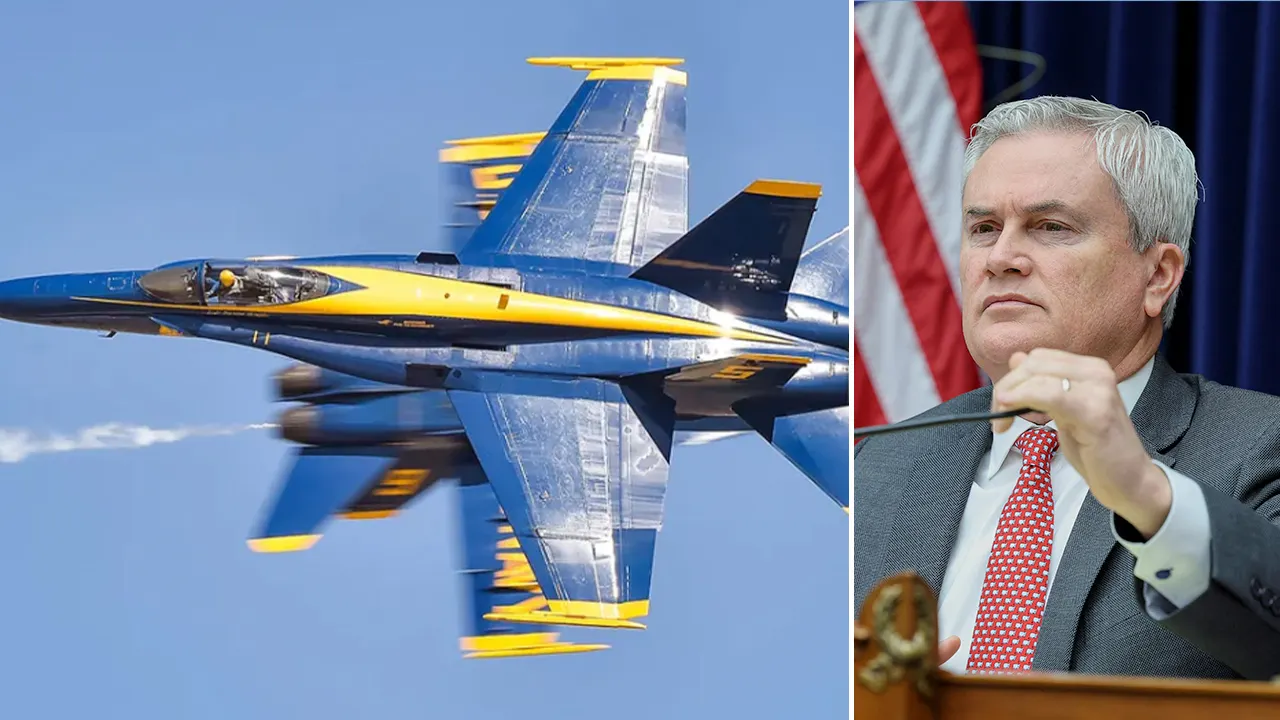
Congress is requesting more information on brain injuries seemingly associated with fighter jet pilots who operate at high speeds. (US Navy;Reuters )
“The lack of information on this issue also raises concerns about the adequacy of the information that is being provided to Congress and decision-makers regarding the health and welfare of our warfighters,” the letter continued.
“It is crucial that the Navy takes all necessary measures to identify the potential health risks facing aviators and flight officers.”
The letter specifically requested all reports, statistical data, medical studies, situational assessments, and communications related to F-18 aviator mental and physical health and/or suicide from January 1, 2023, to the present.
THE FUTURE OF AIR COMBAT: HOW LONG WILL THE US MILITARY STILL NEED PILOTS?
The lawmakers also demanded information concerning six aviators, whose identities have been redacted.
The Navy did not respond to a request for comment before the publication deadline.
Earlier this year, Comer and Timmons inquired about a secret Navy TOPGUN project initiated in 2024 to investigate brain injury occurrences, known as Project Odin.
“Landing aboard an aircraft carrier is literally a car crash. The force is equivalent to being lifted by a crane to the second story and dropped,” explained Matthew ‘Whiz’ Buckley, a TOPGUN graduate and F/A-18 fighter pilot, who suffers from the brain injuries under scrutiny by the project.
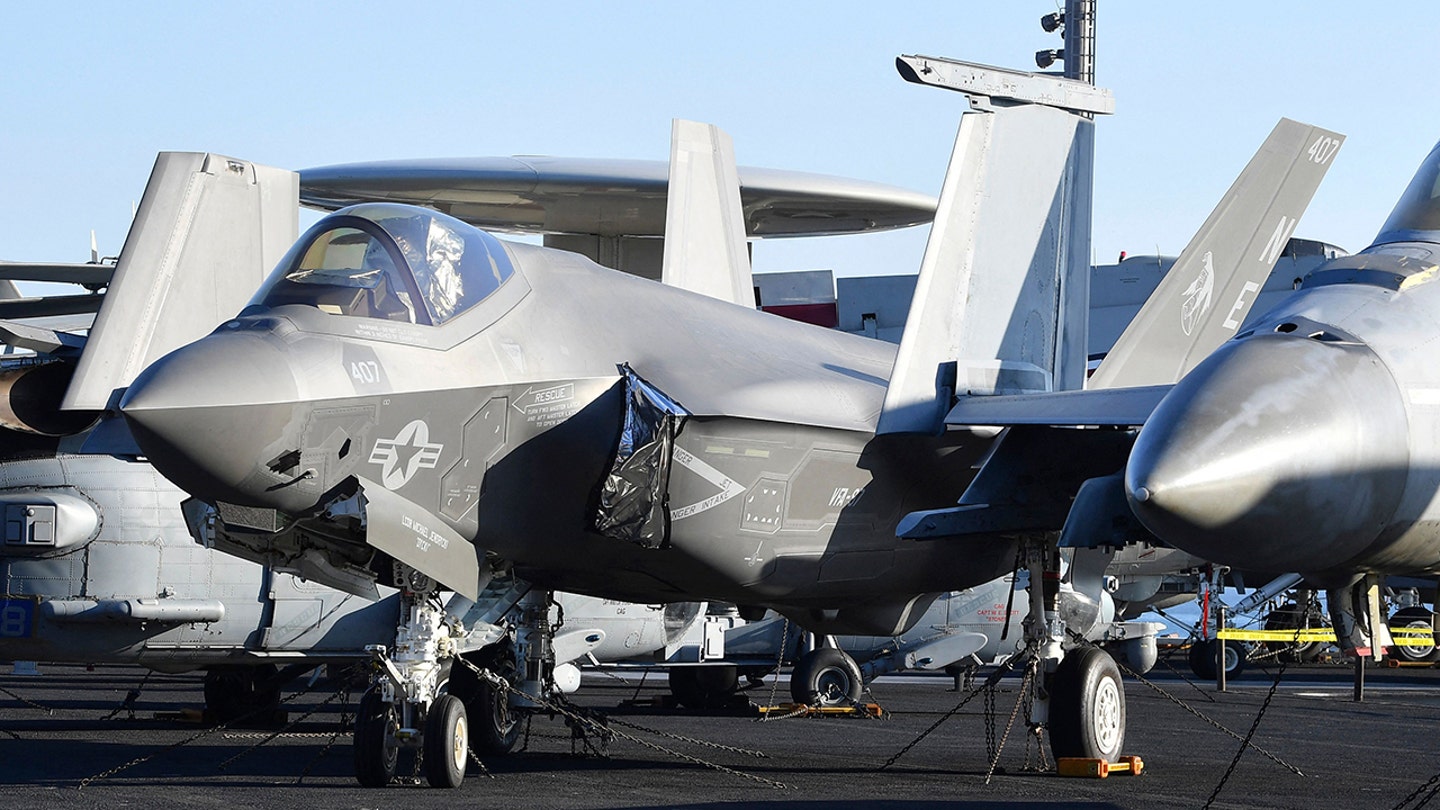
In a new letter to Navy Secretary John Phelan, the lawmakers requested documents and data on brain injuries, cognitive dysfunction, and mental health issues in the fleet. (SONG KYUNG-SEOK/POOL/AFP via Getty Images)
“During the catapult shot, you go from zero to about 150 to 200 miles per hour in a second to a second and a half. Your brain is being jarred back and forth,” he added.
“As a fighter pilot, pulling Gs, I would fight the jet on the edge of consciousness,” Whiz described, referring to the gravitational forces experienced during maneuvers in a jet.
“I’d engage in combat training, pulling seven, eight, nine Gs. When you do that, the blood rushes out of your head.”
Comer previously stated that Project Odin, reportedly implemented without formal approval from Navy Medical and Air Commands, “raises additional questions about the Navy’s awareness of potential issues and whether it is taking comprehensive and effective action to mitigate these issues.”
Buckley, the founder of veterans’ anti-suicide group No Fallen Heroes, criticized the Navy for glorifying the excitement of flying jets, as seen in movies like “Top Gun,” without adequately warning pilots about the risks associated with prolonged high-speed flights.
NAVY SECRETARY PUSHES REVIEW BOARD TO PURGE DEI FROM NAVAL ACADEMY AND RESTORE ‘WARRIOR ETHOS’
A New York Times report from February detailed how several F/A-18 Super Hornet crew members experienced brain injuries after years of catapult takeoffs and dogfighting training.
Symptoms included insomnia, anxiety, depression, and PTSD-like symptoms.
Buckley recounted feeling confusion, forgetfulness, and quick anger – initially attributing these symptoms to the Navy’s drinking culture. He mentioned that many of his fellow pilots also suffered back and neck injuries.
“I remember being hard on myself, questioning what was wrong with me. As a fighter pilot, you’re on top of the world. So that would cause its own spiral,” he shared.
“In my 15 years of flying fighters, I’ve lost three F-18 brothers to suicide.”
Many Navy pilots transition to jobs in the commercial airline industry, often failing to disclose symptoms of brain injuries on applications.
While the Navy cannot avoid exposing aviators to extreme conditions during combat training, Buckley argued that the service must do more to ensure veterans receive proper care for the long-term effects of their duties.
“The military does an incredible job of training us to do some pretty awful things to another human,” he remarked.
“But when they’re done with us, they do a pretty crappy job of transitioning us back to being a human.”
He mentioned his struggle with the Veterans’ Affairs Department for years after they classified his injuries as not service-related.
CLICK TO GET THE FOX NEWS APP
“One day you go from flying an F-18 Hornet with a top-secret clearance, the highest level of government trust. The next day, you’re considered a liar, right?”