
IDF limits civilian casualties despite Hamas tactics, retired British Army colonel says
The Israel-Hamas war has once again taken center stage in the Middle East, following a period of heightened tensions with Iran that led to historic strikes on Tehran’s nuclear facilities. The conflict, which began more than 20 months ago after Hamas launched surprise attacks on Israel, has been closely scrutinized, particularly when it comes to the Israel Defense Forces’ (IDF) handling of civilian areas and humanitarian aid distribution.
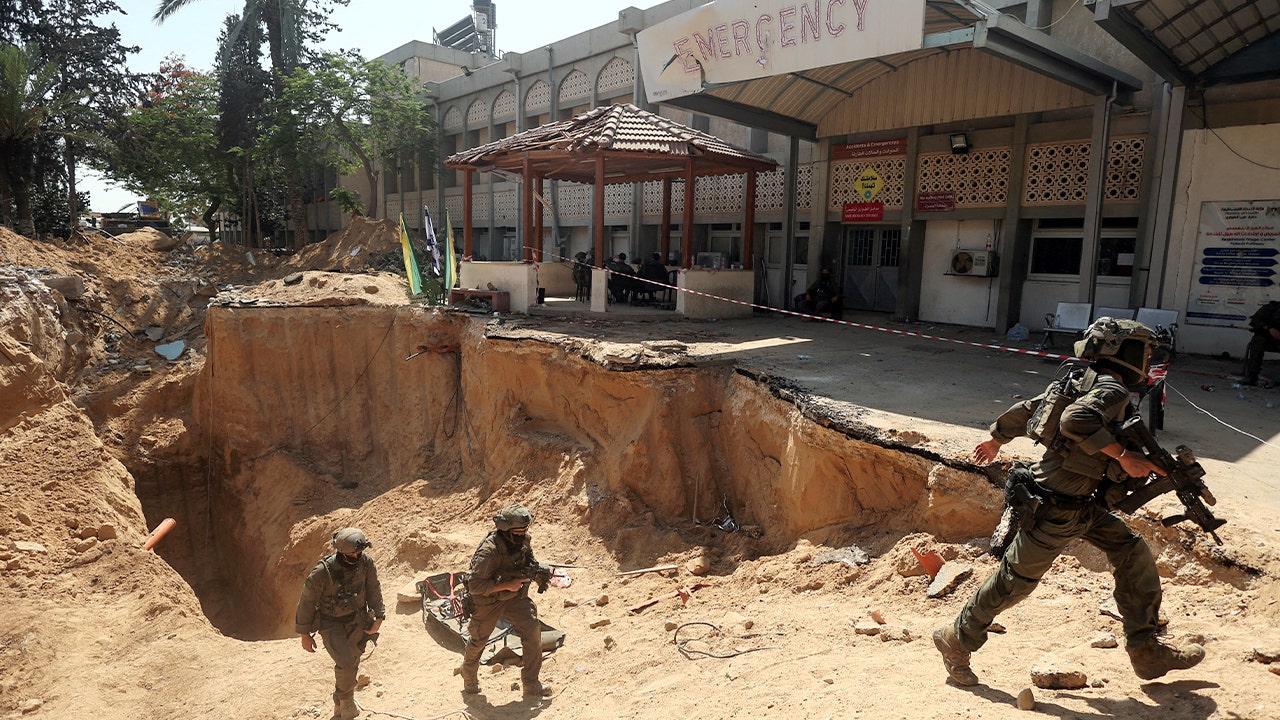
Retired British Col. Richard Kemp recently returned from a trip to Israel and Gaza, where he witnessed firsthand the challenges faced by the IDF. Kemp noted that Hamas continues to embed itself among the civilian population and in tunnels, making it difficult for Israeli forces to avoid civilian casualties. Despite these challenges, Kemp praised the IDF for their efforts to minimize civilian deaths while targeting Hamas terrorists and infrastructure.
Kemp highlighted the complex nature of the conflict, emphasizing that civilian deaths in Gaza are often unavoidable due to Hamas’ tactics. He noted that Hamas deliberately puts civilians at risk in order to garner international condemnation of Israel. Kemp commended the IDF for their efforts to destroy Hamas while minimizing civilian casualties, calling their work “extraordinary.”
During his visit to Gaza, Kemp spoke with civilians and visited aid distribution sites run by the U.S.- and Israel-backed Gaza Humanitarian Foundation (GHF). He noted that civilians expressed gratitude for the aid and recognized the role played by the U.S. under President Donald Trump. At the same time, they held Hamas responsible for their dire circumstances.
Despite facing criticism from the international community, particularly the United Nations, Kemp defended the GHF’s approach to aid distribution in Gaza. He argued that the organization’s methods were uniquely suited to the situation on the ground, unlike the standard template solutions offered by the U.N. Kemp highlighted the GHF’s success in providing aid directly to civilians, without it being stolen or sold by Hamas.
Kemp called on other nations and major humanitarian organizations to support the GHF, noting the organization’s recent $30 million in funding from the U.S. He emphasized the need for a shift towards more effective aid delivery in Gaza, with a focus on the interests of the people rather than bureaucratic concerns.
In conclusion, the Israel-Hamas conflict continues to present complex challenges, with civilian casualties and aid distribution remaining key issues. Despite these challenges, Kemp’s assessment of the IDF’s efforts and the work of the GHF offer hope for a more effective and humanitarian approach to the ongoing conflict in Gaza.


