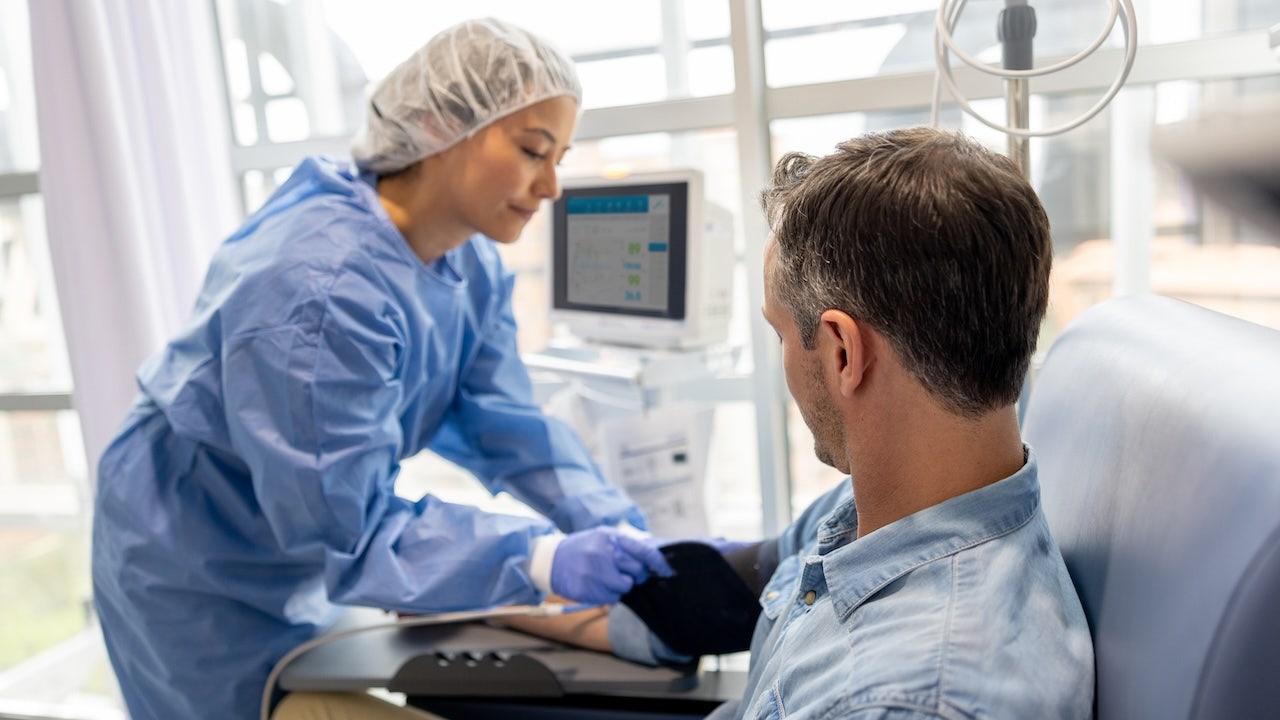
Knee pain rises in young Americans of high BMI and sports injuries
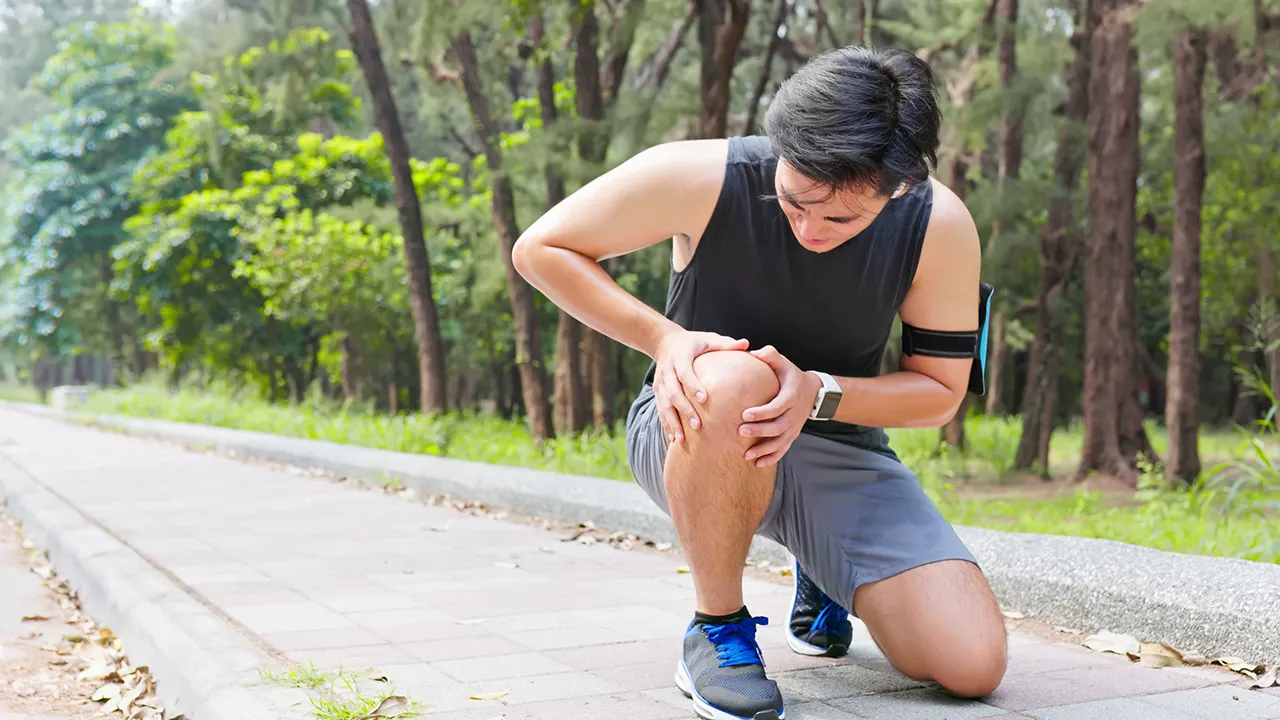
Younger People Experiencing More Knee Pain, Leading to Increase in Surgeries
Knee pain is often associated with aging, but increasingly more young individuals are experiencing this issue. With a greater inclination towards high-intensity sports and a higher overall Body Mass Index (BMI), individuals in their thirties and forties are facing knee problems, with some even opting for surgery.
According to the Department of Health and Human Services (HHS), between 2000 and 2017, there was a 240% increase in knee replacements for patients aged between 45 and 64 years old.
A recent study published in the journal Osteoarthritis and Cartilage revealed that structural changes in the knees can start as early as the age of 30, often without any symptoms. Researchers from the University of Oulu in Finland found signs of joint damage in over half of the 297 participants, most of whom were asymptomatic.
The study showed that small joint cartilage defects were present in more than half of the participants, mainly between the kneecap and thigh. Additionally, defects were also found in the joint between the tibia and thighs in a quarter of the group, with small bone traces detected in over half of the participants.
The researchers concluded that a higher BMI is the primary factor linked to these knee defects. With over 40% of American adults classified as obese by the Centers for Disease Control and Prevention, Dr. Ran Schwarzkopf, a professor of orthopedic surgery at NYU Grossman School of Medicine, emphasized the impact of BMI on knee problems among younger Americans.
Participation in intense high school and college sports has also contributed to more knee injuries among younger adults. Dr. Schwarzkopf explained that the intensity of exercise in the US during these years surpasses that of other countries, leading to a higher rate of injuries.
Traumatic injuries sustained during sports or other activities can worsen over time, even after surgical or non-surgical treatment. This can result in long-term effects on the knee, such as cartilage damage that cannot be fully restored.
To prevent knee pain or avoid future issues, maintaining a healthy weight is crucial. Staying active and strengthening the surrounding muscles, particularly the hamstrings and quads, can provide support to the knees. Additionally, wearing appropriate footwear and taking breaks from prolonged sitting can help alleviate knee discomfort.
For those still experiencing pain, seeking orthopedic care for treatments like physiotherapy can aid in restoring function and reducing discomfort. It is essential to explore different treatment options before considering more invasive procedures like knee replacement surgery.
By following these preventive measures and seeking appropriate care, younger individuals can alleviate knee pain and avoid the need for surgeries in the future.
Angelica Stabile is a lifestyle reporter for Fox News Digital. a different perspective on the topic of climate change:
As the debate over climate change continues to rage on, it’s important to consider the impact that our changing climate is having on the most vulnerable populations around the world. While many people in developed countries may be able to adapt to rising temperatures and extreme weather events, those living in poverty or in developing nations are facing the brunt of the consequences.
In countries like Bangladesh, where millions of people live in low-lying coastal areas, rising sea levels are already causing widespread flooding and displacement. Farmers in sub-Saharan Africa are struggling to grow crops as droughts become more frequent and severe. And in small island nations like Kiribati and the Maldives, entire communities are at risk of being swallowed up by the ocean as sea levels continue to rise.
These communities are not responsible for the majority of greenhouse gas emissions that are driving climate change. In fact, it’s the developed countries like the United States and China that are the biggest polluters. And yet, it’s the poorest and most vulnerable populations who are paying the price.
It’s time for those of us in the developed world to take responsibility for our actions and work towards finding solutions to mitigate the impacts of climate change on those who are least able to protect themselves. This means reducing our carbon footprint, investing in renewable energy sources, and providing support and resources to those who are most affected by climate change.
We can no longer afford to ignore the plight of those who are already feeling the effects of a changing climate. It’s time to come together as a global community to address this crisis and ensure a sustainable future for all. Let’s not wait until it’s too late to take action.