Labor secretary nominee Lori Chavez-DeRemer passes key committee vote
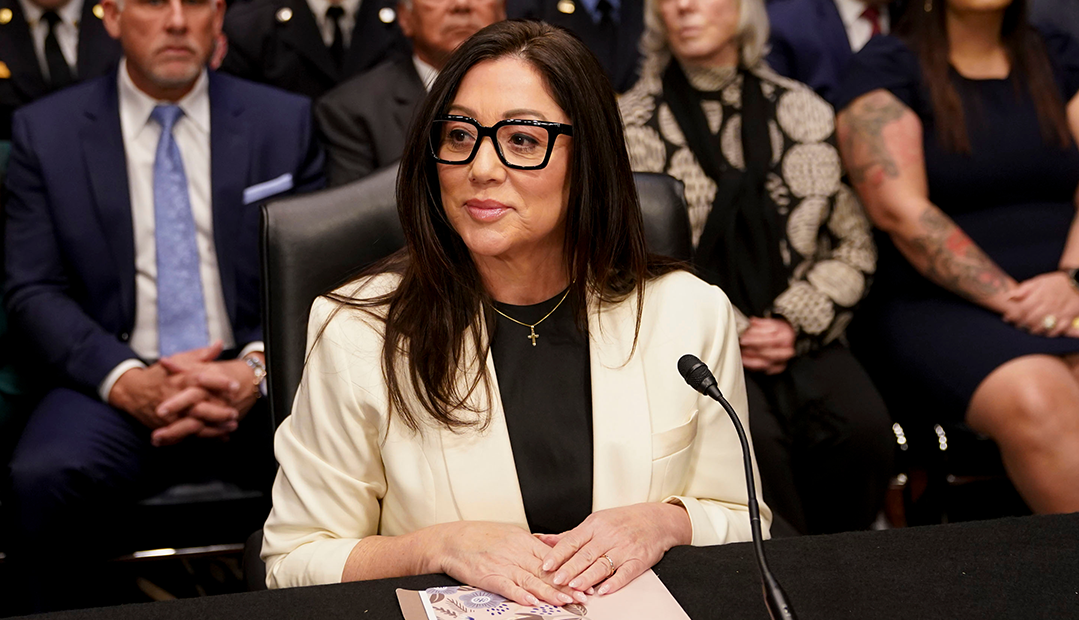
President Donald Trump’s nominee for labor secretary, Lori Chavez-DeRemer, successfully cleared a key vote before the Senate Committee on Health, Education, Labor, and Pensions (HELP) on Thursday morning. Despite initial concerns about her past support for the Protecting the Right to Organize (PRO) Act, Chavez-DeRemer garnered bipartisan support, including from Democratic Sen. Maggie Hassan of New Hampshire.
The committee voted 13-9 in favor of advancing Chavez-DeRemer’s nomination, with some Democrats, including Sens. John Hickenloopers and Tim Kaines, joining Republicans in supporting her. Notably, Sen. Rand Paul, R-Ky., voted against her, citing her previous backing of the PRO Act. However, Sen. Lisa Murkowski, R-Alaska, did not vote.
Chavez-DeRemer, who previously represented Oregon’s 5th Congressional District, clarified during her confirmation hearing that she no longer supports the PRO Act’s provisions that would overturn right-to-work laws. This change in stance likely contributed to securing the support of Sen. Hassan, who emphasized Chavez-DeRemer’s qualifications for the role.
In her statement, Sen. Hassan acknowledged that while she may not agree with Chavez-DeRemer on every issue, she believes the nominee is capable of serving as labor secretary and has received significant backing from constituents in New Hampshire. This support from a Democratic committee member was crucial for Chavez-DeRemer’s confirmation prospects.
Following the committee vote, Senate Majority Leader John Thune, R-S.D., may move to end Senate floor debate on Chavez-DeRemer’s nomination, leading to a final confirmation vote. Throughout her hearing, Chavez-DeRemer emphasized the importance of investing in trade schools and expanding educational opportunities to strengthen the American workforce.
She also expressed a commitment to promoting fair competition for American businesses, workers, and unions. Chavez-DeRemer credited President Trump for his efforts in uniting a diverse coalition of working-class Americans and pledged to prioritize their interests as labor secretary.
Trump nominated Chavez-DeRemer for the position shortly after his election, praising her track record of collaborating with both business and labor sectors to support American workers. He expressed confidence in her ability to create opportunities, improve wages, and revitalize manufacturing jobs in the country.
In conclusion, Chavez-DeRemer’s successful advancement in the confirmation process reflects a bipartisan recognition of her qualifications and commitment to advancing the interests of American workers. As she moves closer to assuming the role of labor secretary, she is poised to work towards fostering cooperation between different stakeholders and ensuring a prosperous future for working families in the United States.