Fox News Politics Newsletter: One People, ‘One Flag’
The Trump administration continues to make significant changes as the Justice Department undergoes reforms. The latest development is the departure of the Bureau of Prisons director as part of these ongoing changes. Additionally, Republican leaders are still in disagreement on the reconciliation debate following a meeting with President Trump.
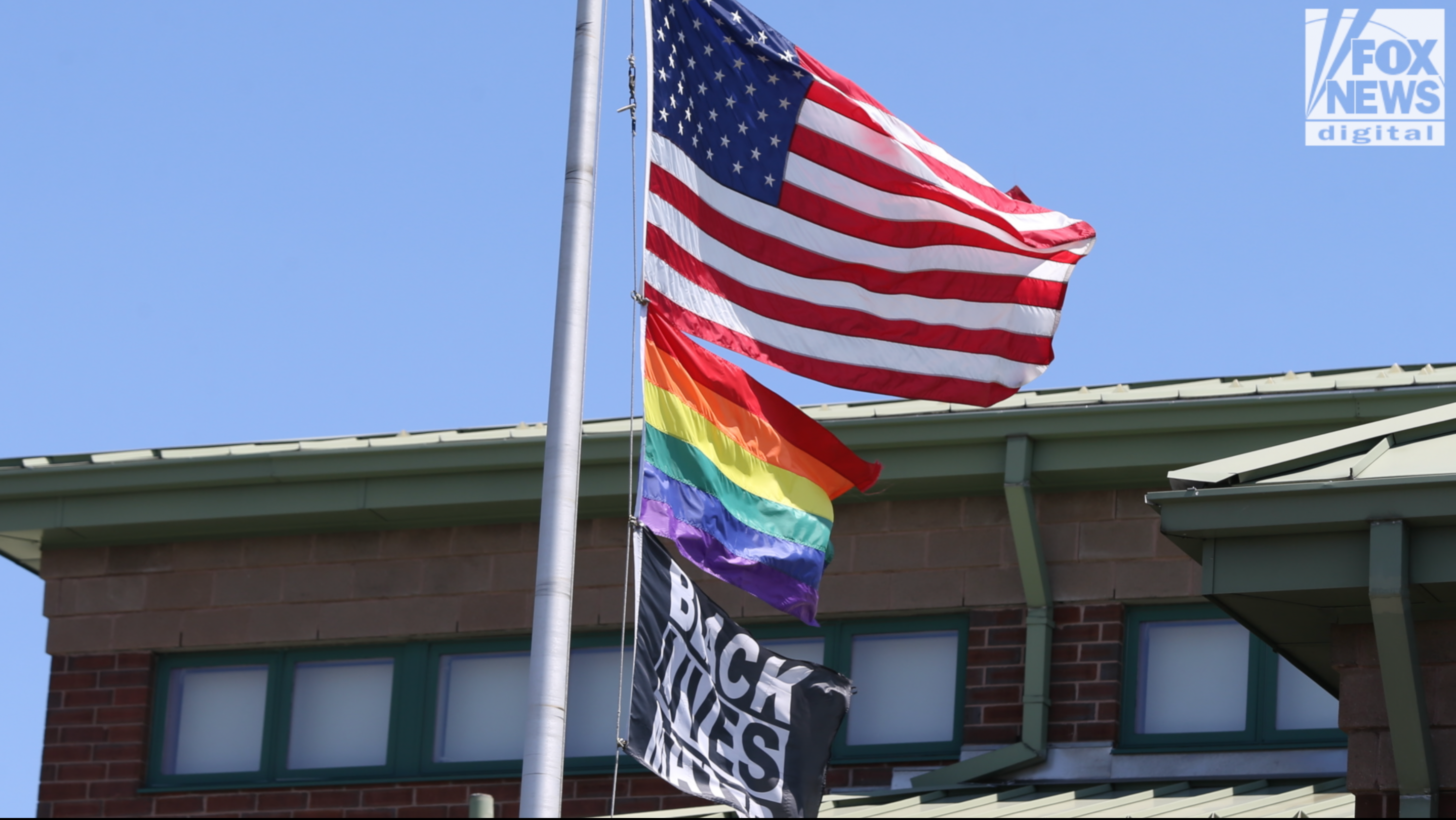
In a move that has sparked controversy, the Trump administration has implemented a new policy called the “One Flag Policy” within the U.S. State Department. This policy prohibits U.S. embassies and outposts from flying Pride and Black Lives Matter flags, allowing only the American flag to be displayed at U.S. facilities both domestically and abroad. The memo outlining this policy emphasizes the importance of unity under the American flag and the principles of justice, liberty, and democracy that it represents.
In other news, the White House is making headlines with President Trump revoking a Biden-era order that allowed transgender troops in the military as part of efforts to remove diversity, equity, and inclusion initiatives from the armed forces. Additionally, President Trump recently met with GOP leaders at the White House and defended his executive orders, while also planning a visit to North Carolina.
Meanwhile, concerns are rising over the fate of thousands of Afghan allies waiting for resettlement in the U.S. following a Trump administration order that has put their status in limbo. On the healthcare front, Trump’s Day One actions have reversed several Biden-era health policies, including efforts to expand Obamacare.
On the world stage, the United Nations is urging diplomacy as Iran accelerates its nuclear program, with conservative commentators advising President Trump not to appease the regime. In Congress, Democrats have joined the Dogecoin subcommittee, with one member focusing on promoting good government practices. Additionally, Senate Republicans have launched an effort to ban Chinese nationals from buying land in the U.S.
Across America, a Vermont Border Patrol agent allegedly killed by a German national is remembered for his honor and bravery, while California’s water supply crucial for wildfire response has been allowed to run dry. Alaska leaders have expressed support for Trump’s executive order on oil and gas drilling, and New York City is coordinating with ICE as mass migrant deportations loom.
As the Trump administration continues to implement changes and navigate various challenges, stay informed with the latest updates on FoxNews.com for exclusive interviews and in-depth coverage. This article was written by Fox News staff and highlights the key developments in politics at the national and international levels.