Second child with measles has died in Texas, officials say
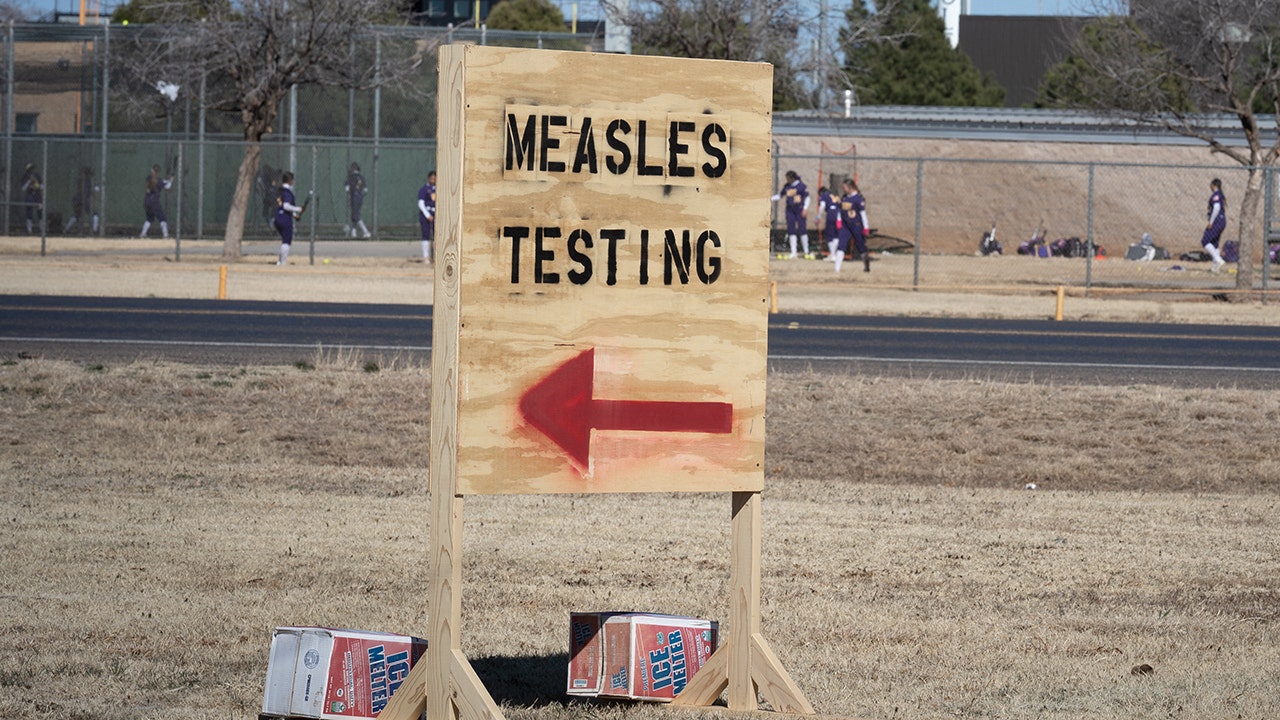
Measles Outbreak Claims Second Child’s Life in Texas
A second child in Texas has tragically died from measles, although the exact cause of death is currently unknown, as reported by the Department of Health and Human Services. This devastating news comes as the first reported deaths in connection with the disease in the country in a decade.
HHS Secretary Robert F. Kennedy Jr. is planning to attend the child’s funeral on Sunday, showing his support during this difficult time. The measles outbreak has been particularly severe in Texas, with 481 confirmed cases of measles since January, according to the Texas Department of State Health Services.
Among the cases reported in Texas are six infants and toddlers at a daycare center in Lubbock who tested positive for measles within the past two weeks. Two of these children are among the 56 individuals who have been hospitalized with measles in the area since the outbreak began earlier this year.
Measles is a highly contagious disease that can lead to serious complications, including respiratory and neurological issues. Data from the Centers for Disease Control and Prevention show that about one to three out of every 1,000 children infected with measles die from these complications. Pneumonia is the most common cause of death from measles in young children.
The outbreak, which began in Texas in late January, has since spread to a few other states, with a total of 628 measles cases reported in at least 21 states and Washington, D.C. so far this year. This concerning trend highlights the importance of vaccination and public health measures to prevent the spread of infectious diseases.
As the nation grapples with the resurgence of measles, it is crucial for individuals to stay informed about the risks associated with the disease and to take necessary precautions to protect themselves and their communities. Vaccination remains the most effective way to prevent measles and its potentially deadly complications.
The tragic loss of a second child to measles serves as a sobering reminder of the importance of vaccination and public health efforts in combatting infectious diseases. Our thoughts are with the families affected by this outbreak, and we must work together to ensure that such devastating losses are prevented in the future.