'Pretty remarkable:' U of C researchers unearth more of iconic slave-turned cowboy John Ware's life
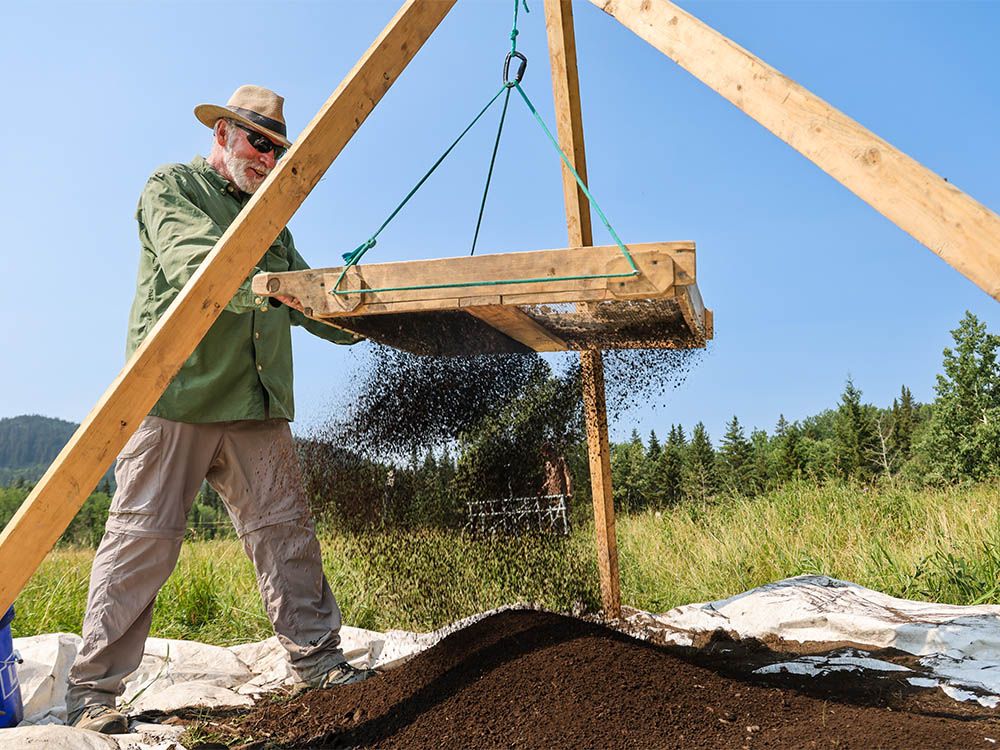
The University of Calgary has been conducting an archaeological dig at the John Ware homestead site near Millarville, shedding light on the life of one of Alberta’s first Black residents. Dr. Lindsay Amundsen-Meyer, an assistant professor of anthropology and archaeology, has been leading the excavation, uncovering artifacts that suggest Ware and his family lived a slightly affluent life on the ranch.
Items such as an engraved sewing thimble and a decorative curtain rod indicate that the family had more than just functional items, hinting at a more comfortable lifestyle. The dig has also brought to light the lives of Ware’s wife Mildred and their children, challenging the traditional focus on male pioneers in archaeological research.
John Ware, a renowned cowboy, arrived in Alberta in 1882 while herding cattle from Montana. He settled in the Millarville area, where he lived until his tragic death in 1905. The excavation has revealed clues about Ware’s homesteading activities, including a hand-forged horseshoe, square nails, and cow bone. This summer, the team excavated a midden, uncovering items that helped date the site to fit the timeline of Ware’s residency.
The artifacts found at the site, including a suspender clip from 1881 and an ink bottle from England, provide valuable insights into the Ware family’s day-to-day lives. The team plans to continue excavating the site in the coming years, hoping to uncover more structures and outbuildings on the property.
The work at the Ware homestead has attracted the interest of filmmaker Cheryl Foggo, whose documentary “John Ware Reclaimed” explores the heritage of African descent pioneers in western Canada. While the focus has been on the Ware family, the researchers acknowledge that there were other Black ranchers in the region, such as Green Walters near High River.
Artifacts found during the excavation will be preserved at the Royal Alberta Museum in Edmonton. The ongoing research at the John Ware homestead site promises to provide valuable insights into the pioneering challenges faced by one of Alberta’s early Black residents and his family.