Scientists discover proteins in the brain that can reverse the effects of aging
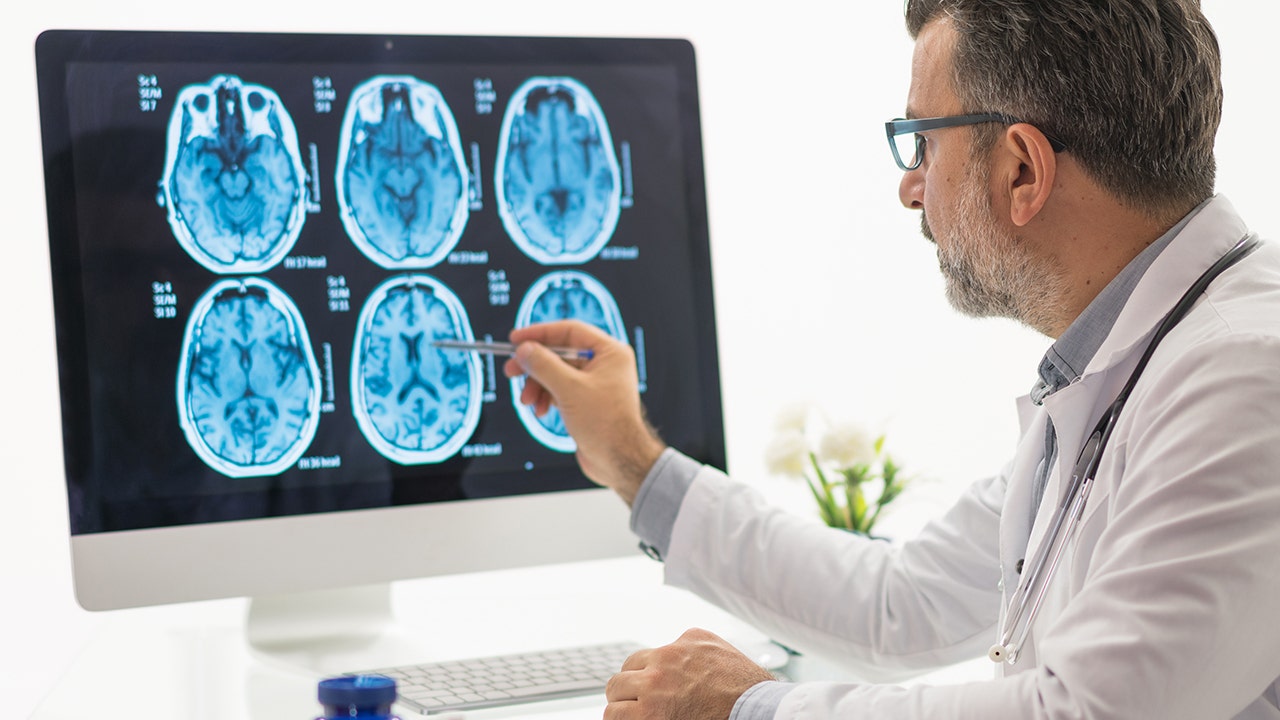
Scientists at the University of California San Francisco (UCSF) may have made a groundbreaking discovery about the cause of aging in the brain. They believe that a protein known as Ferritin Light Chain 1 (FTL1) could be the culprit, described as an iron-associated protein that hinders cognition and is considered a “pro-aging neuronal factor.”
In a study published in the journal Nature Aging, researchers compared the genes and proteins in the Hippocampus, the part of the brain responsible for learning and memory, in both young and old mice. They found that older mice had higher levels of FTL1, fewer connections between brain cells in the hippocampus, and reduced cognitive abilities.
When the researchers artificially increased FTL1 levels in young mice, they observed that the brains of these mice began to resemble those of older mice in terms of both brain structure and behavior. On the other hand, when FTL1 levels were reduced in older mice, they exhibited improved memory performance and increased connections between nerve cells in the hippocampus.
The study also revealed that FTL1 plays a role in slowing down metabolism in hippocampal cells of older mice. However, when these cells were treated with a metabolism-stimulating compound, the negative effects of FTL1 were prevented.
Saul Villeda, the associate director of the UCSF Bakar Aging Research Institute and senior author of the study, believes that these findings represent a potential “reversal of aging-related disorders.” He stated, “It is much more than just postponing or preventing symptoms. We see more opportunities to alleviate the worst consequences of old age. It is a hopeful time to work on the biology of aging.”
Dr. Paul Saphier, a neurosurgeon and founder of Coaxial Neurosurgical Specialists in New Jersey, described the findings as “really interesting.” He emphasized the importance of understanding how proteins accumulate in different parts of the brain and how this relates to neurodegenerative disorders like Alzheimer’s disease.
“If there is a mechanism to slow down or reverse the accumulation of FTL1 in the hippocampus, which is a critical memory center in the brain, it stands to reason that we could improve cognition,” Dr. Saphier explained.
Previous research has shown that manipulating sugar and proteins can slow down the aging process, according to Dr. Saphier. He expressed support for the current study and expressed optimism about potential breakthroughs in this area.
The study received funding from the National Science Foundation, the Bakar Aging Research Institute, and the National Institute on Aging. This research opens up new possibilities for understanding and potentially reversing the effects of aging on the brain.
For more health-related articles, visit Foxnews.com/Health.
This article was written by Angelica Stabile, a lifestyle reporter for Fox News Digital.