Sleep experts warn against snooze button habit that disrupts critical REM sleep
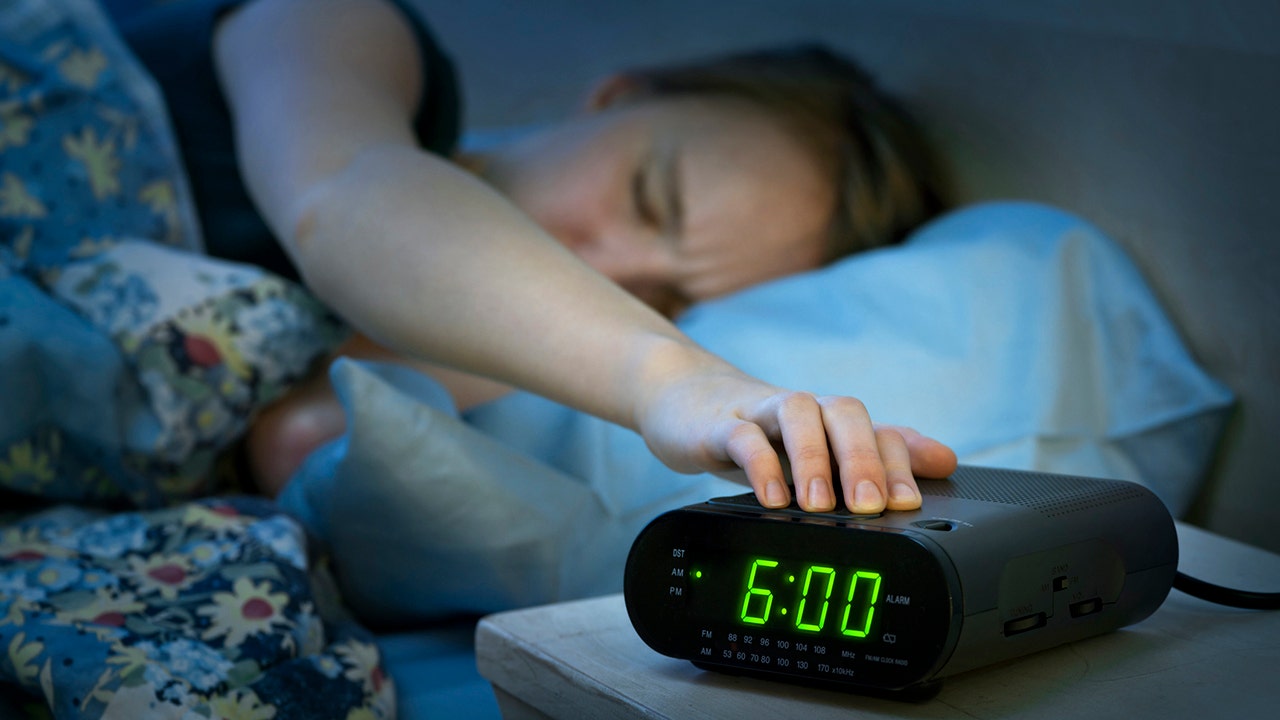
A recent study conducted by researchers from Mass General Brigham has revealed that more than half of sleep sessions end with the snooze button being pressed, with individuals sneaking in an extra 11 minutes on average. The study, which analyzed data from the Sleep Cycle app and included sleep habits from over 21,000 people globally, found that nearly 56% of sleep sessions tracked ended with the snooze button.
Among the more than three million sleep sessions monitored, the heaviest users of the snooze button, who utilized it for more than 80% of the mornings included in the study, slept an average of 20 extra minutes. These individuals were also shown to have more erratic sleep schedules than those who used the snooze button less frequently.
The snooze button was found to be more commonly used on weekdays and less so on Saturdays and Sundays. The study, which was published in the journal Scientific Reports, shed light on the negative impacts of hitting the snooze button on one’s sleep cycle.
Lead author Rebecca Robbins, PhD, from the Division of Sleep and Circadian Disorders Medicine at Brigham and Women’s Hospital, highlighted the disruptive nature of the snooze alarm on important stages of sleep. She explained that hitting the snooze button interrupts critical stages of sleep, such as rapid eye movement (REM) sleep, and typically only offers light sleep in between snooze alarms.
Dr. David Kuhlmann, spokesperson for the American Academy of Sleep Medicine, emphasized that falling back to sleep for just a few extra minutes disrupts the sleep cycle, which can have a negative impact on one’s mood and energy throughout the day. Similarly, Dr. Alex Dimitriu, a board-certified psychiatrist and sleep medicine doctor, agreed that hitting the snooze button is disruptive to one’s rest, specifically impacting REM sleep.
In order to skip the snooze button and optimize sleep, experts recommend setting the alarm for the latest possible time and getting out of bed when it goes off the first time. Establishing a consistent sleep schedule with regular bedtimes and wake times is crucial for feeling rested and avoiding the temptation of the snooze button.
If individuals find themselves overly reliant on the snooze button even after improving sleep habits, it may be a sign of unrefreshing sleep from an underlying disorder. In such cases, it is important to consult a healthcare provider who may refer them to an AASM-accredited sleep center for further evaluation and treatment.
By prioritizing healthy sleep habits and addressing any underlying sleep disorders, individuals can improve their sleep quality and overall well-being. It is essential to recognize the negative impacts of the snooze button on sleep and take proactive steps to establish a healthy sleep routine for optimal rest and rejuvenation.