
South Korea presidential ouster part of China’s plan to grow regional influence: expert
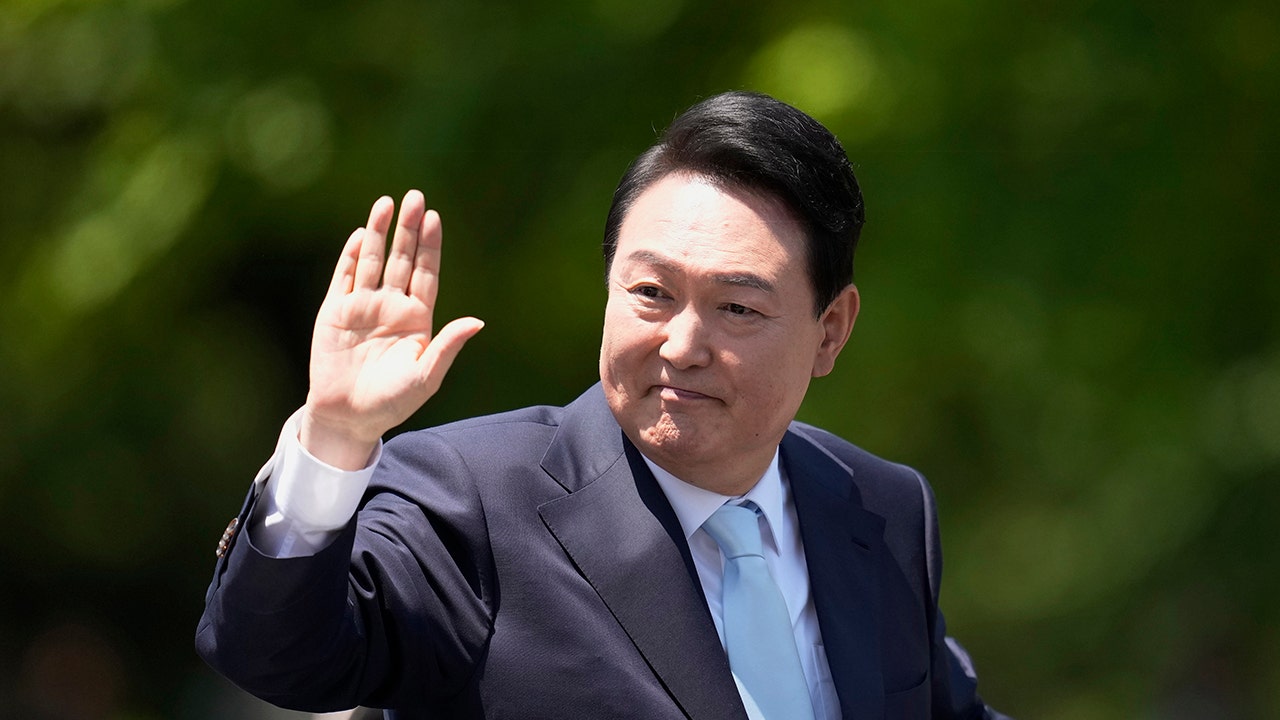
In a tumultuous week that saw French right-wing leader Marine Le Pen banned from running for office, the South Korean Constitutional Court’s ouster of President Yoon Suk Yeol on Friday has raised suspicions of Beijing’s involvement in efforts to remove the leader from power.
According to Anna Mahjar-Barducci, the project director at the Middle East Media Research Institute (MEMRI), Yoon’s foreign and security policies posed a threat to Beijing’s long-term strategy of cultivating a pro-China faction in South Korea. Mahjar-Barducci alleged that the Chinese Communist Party (CCP) has used various tactics such as economic cooperation, political donations, covert benefit transfers, and even illegal sexual bribery to influence certain South Korean political figures and undermine the U.S.-South Korea alliance.
It is claimed that China has been involved in organizing election fraud in South Korea and unduly influencing past general elections. Supporters of the ousted president are reportedly enraged by the decision, with allegations of liberals blocking Yoon’s efforts to combat threats from Pyongyang and Beijing through cyberattacks and disinformation campaigns.
Yoon’s plans to increase South Korea’s nuclear capacity and strengthen cooperation with the U.S. as a deterrent to North Korea had angered Kim Jong-un. The former South Korean leader sought to align with the U.S. to counter the North Korean threat, further aggravating tensions with China.
Despite allegations of Chinese interference in South Korean politics, the Chinese embassy in Washington D.C. did not respond to inquiries, and questions sent to the South Korean embassy went unanswered.
With Beijing’s intensive media coverage of Yoon’s dismissal, Mahjar-Barducci believes that the CCP is pleased with the outcome, having successfully removed two pro-American South Korean presidents. She emphasized the importance of South Korea as a strong ally of the U.S., warning that losing strategic influence in the region to Beijing would be detrimental to American interests.
Yoon’s removal is seen as part of a global pattern of right-wing candidates being barred from seeking election, with similar incidents reported in Romania and France. The CCP’s military drills around Taiwan have also raised concerns, with the Chinese navy conducting large-scale exercises near the island nation.
As South Korea prepares for upcoming elections, surveys indicate that liberal opposition Democratic Party leader Lee Jae-myung is favored to win the presidency. The potential impact of Beijing’s influence in South Korea and the region remains a point of concern for U.S. interests.
Beth Bailey, a reporter with experience covering international affairs, highlighted the need for vigilance in monitoring foreign interference in democratic processes and ensuring the integrity of elections. The geopolitical dynamics in East Asia and the implications of Beijing’s actions in the region underscore the importance of maintaining strategic alliances and upholding democratic values.


