Scientists are afraid of political interference after the best promises of Ontario to hunt everyone who tested on dogs
Some researchers say that they are concerned about possible political interference in science after the Prime Minister of Ontario said that he would “rush” scientists those dogs and cats use in medical studies.
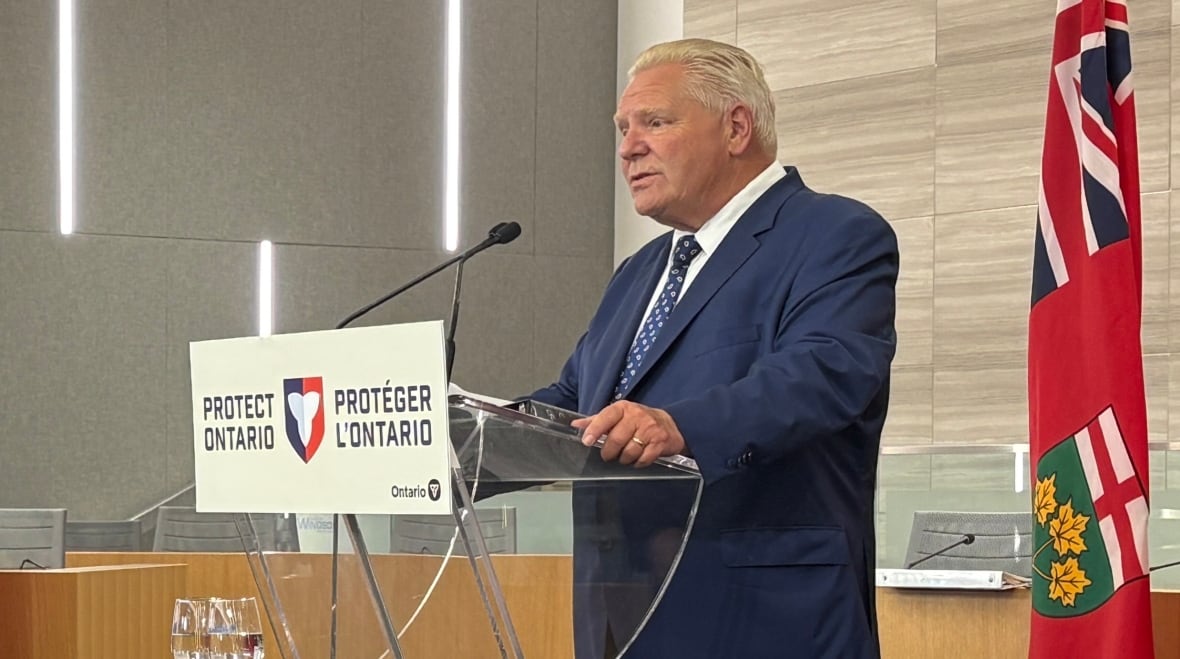
On Tuesday, Prime Minister Doug Ford said it was unacceptable that Beagles was used in heart research approved by Lawson Research Institute and St. Joseph’s Health Care London, and promised to introduce legislation to prohibit testing on certain animals.
“I have now dedicated our team to detect someone else who is researching dogs or cats,” Ford told a press conference in Windsor. “If you do this with dogs or cats, you have to stop before I catch you … … we’re going to use this legislation … you don’t go after animals.”
Félix Proulx-Giraldeau is executive director of evidence for democracy, which argues for integrating scientific evidence in the decision-making of the government.
Proulx-Giraldeau stated problems with Ford that refers to specific medical work.
“In this case it was a bit in terms of the threat that seemed directly to be addressed to certain researchers,” he said.
“We have a strong and independent ethical council in Canada, and their task is specific to assess and supervise all the research to ensure that it is human and necessary. My concern is that when politicians direct what kind of research or not, especially with language that sounds like a threat, it risks to stimulate those established processes.”
Ford’s comments came after one Report by the investigative journalism agency At the Dalla Lana School of Public Health of the University of Toronto, that researchers caused three -hour heart attacks in dogs before they eutanize them.
On Monday, St. Josephs said that the immediate investigation would end with dogs “after consultation with the province.”
CBC News has made several requests for an interview, but the hospital has been taken. The Ford office did not respond to questions about whether it ordered the cardiac tests immediately to end.
OVERS OVERS SUPPORTS
Institutions with researchers looking for federal financing must also have an animal care committee (ACC) to supervise every investigation on animals.
ACC from Lawson Research Institute is through Western University in London.

“I can tell you from the ACC from my many years, there is no researcher, veterinarian, veterinarian or animal care employee who has no animal welfare in heart and soul,” said Western ACC chairman Arthur Brown. “But there is an equal amount of pride and performance in terms of what we have been able to do in terms of scientific, and in particular medical progress. It is a nuanced and complex problem.
The article of the investigative journalism agency “released an emotional reaction to many people, and this included the prime minister, so it is a bit understandable how he would like to respond. I wish he would have taken a step back.”
Brendon Samuels, who participated in the ethics committee of Western when he graduated, thinks that the hospital’s decision to end his animal investigation came down to political pressure.
“It is a bit unusual and unprecedented in the sense that if research activities would be stopped, it would come in the direction of a regulatory body that would have good reason to do that,” he said, adding that welfare committees also check the status of animals during the research process.
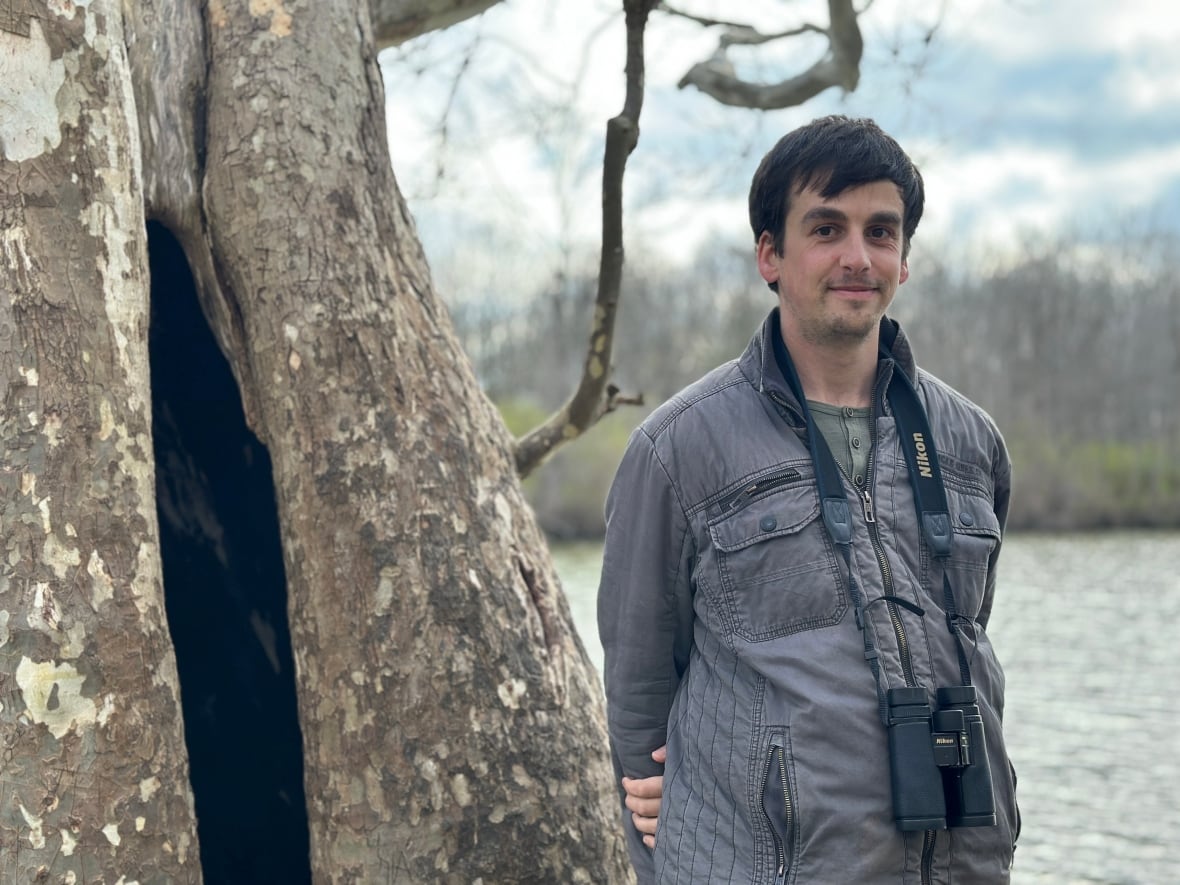
“This is exceeding the role of supervisory organizations and experts consensus to tackle problems in the front line. I don’t think it is appropriate that politicians are micromanaging, inserting themselves and arbitrating what is considered correct or incorrect in these regulated environments,” Samuels said.
Running the trust of the audience
The broader care of politicians who disrupt the investigation, according to Proulx-Giraldeau, is an erosion of public faith in science.
“It seems that evidence is secondary to the political opinion,” he said, pointing to cuts on medical and other scientific research in the US since the beginning of this year of President Donald Trump’s second government.
“When we see political figures that discourage researchers from pursuing certain topics, even those with potential benefits, this weakens our research environment as a whole and our global reputation when it comes to research.”
Proulx-Giraldeau said that political interference also myths perpetuates that scientists are paid by the government to do what they are told.

“In reality, this is not true, so if we have examples such as this science that is controlled in a direction that works against independence … it really works against the public image of science.”
Yet all three researchers agree that politicians must have a voice in scientific research, as long as it is informed.
“All research is political. In which questions do we ask, where we invest resources, how we approach those questions and how we publish those results, are culturally determined and political,” Samuels said. “I think politicians play an important role in continuing the legal improvements.”
Brown said that political involvement also enables the public to be part of scientific discussion.
“I think the public should have a say through their politicians, who then establish rules that are made for them. That is what we do have [already] – We just have to use it or let it work correctly. “