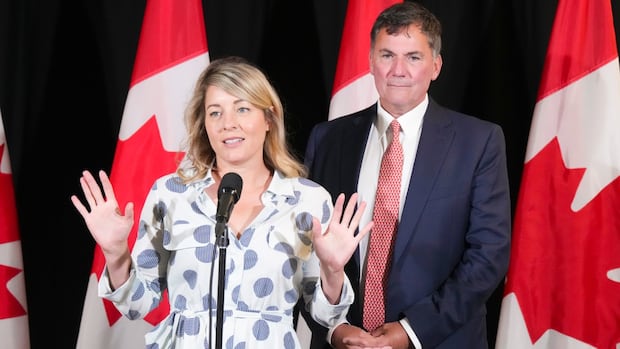
LeBlanc set to meet U.S. commerce secretary after Canada drops some tariffs
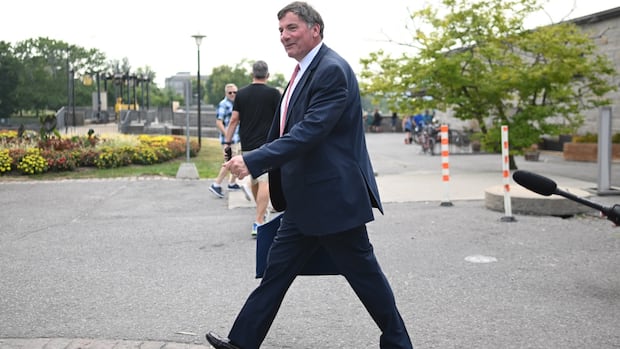
Canada-U.S. Trade Minister Dominic LeBlanc to Meet with U.S. Commerce Secretary in Washington
Canada-U.S. Trade Minister Dominic LeBlanc is scheduled to meet with U.S. Commerce Secretary Howard Lutnick in Washington this week. This meeting comes after Ottawa’s announcement that it will be lifting some retaliatory tariffs.
LeBlanc’s office confirmed that he will be traveling to the United States capital on Tuesday to continue negotiations over tariffs. Prime Minister Mark Carney revealed last Friday that Canada will be dropping some retaliatory tariffs on U.S. products to align with American tariff exemptions for goods covered under the Canada-U.S.-Mexico Agreement on trade, known as CUSMA.
Despite the removal of some retaliatory tariffs, Canada’s counter-tariffs on steel, aluminum, and automobiles will remain in place. LeBlanc emphasized that the retaliatory tariffs were a significant point of contention in negotiations leading up to U.S. President Donald Trump’s decision to increase duties on Canada to 35 per cent earlier this month.
While the recent developments show progress in the ongoing trade discussions between Canada and the U.S., challenges remain as Canada continues to navigate through Trump’s separate tariffs on key sectors. LeBlanc remains optimistic about Canada’s position in the negotiations, stating that the country still holds ‘lots of cards.’
As the discussions between Canada and the U.S. unfold, all eyes will be on the outcomes of the meetings between LeBlanc and Lutnick in Washington this week. Stay tuned for updates on the latest developments in the Canada-U.S. trade relations.