Biden-era guidance encouraged use of Signal app by senior officials: ‘Best practice’
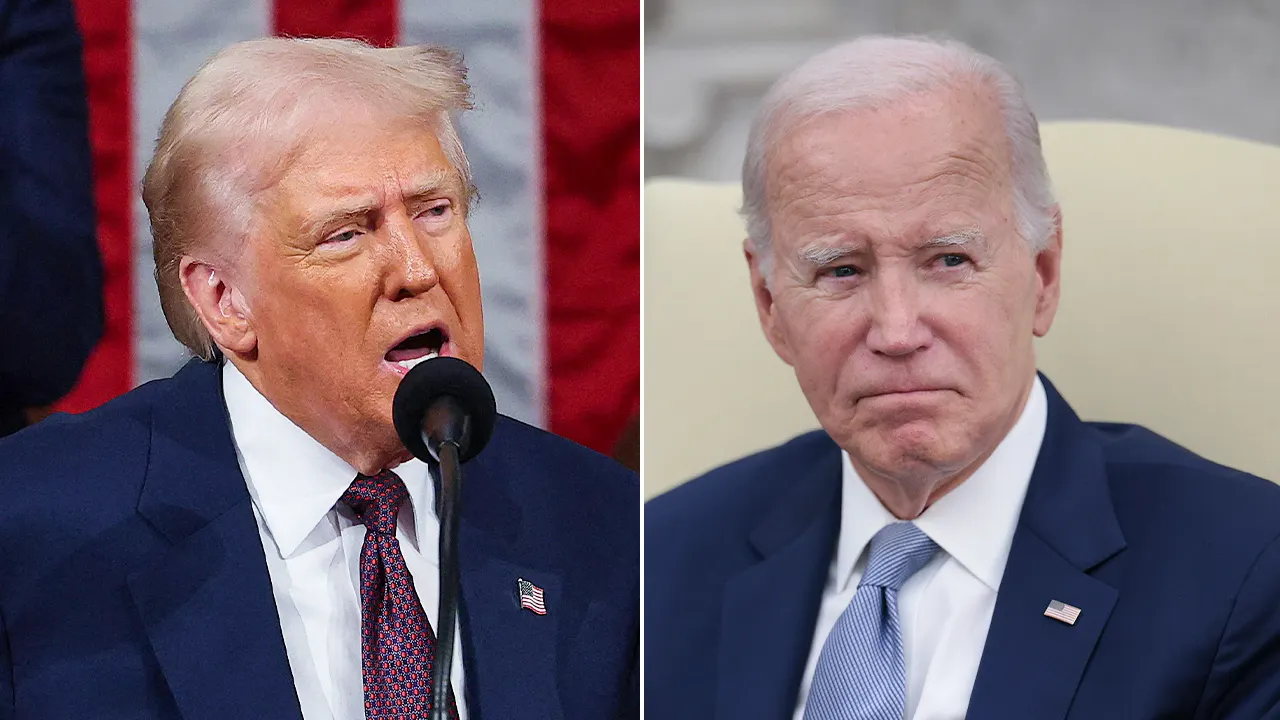
The federal office in charge of ensuring cybersecurity at all levels of the government has cited the use of the encrypted messaging app Signal as a “best practice” for “highly targeted” government officials, according to a document from the Biden-era. The Cybersecurity and Infrastructure Security Agency (CISA), a part of the Department of Homeland Security, released a guide late last year specifically for federal employees, highlighting the importance of using encrypted messaging platforms like Signal to protect against foreign enemy hackers.
In the “Mobile Communications Best Practice Guidance” released by CISA in 2024, the agency emphasized the need for “highly targeted individuals,” such as high-ranking government officials or politicians, to take extra precautions when it comes to their mobile communications. These individuals were defined as those who are likely to possess information of interest to threat actors. The guide, while directed at high-targeted politicos and officials, was deemed applicable to all audiences.
The document stressed the importance of assuming that all communications between mobile devices, including government and personal devices, are at risk of interception or manipulation. To enhance protection against malicious cyber actors, CISA recommended the use of end-to-end encrypted communications. End-to-end encryption ensures that a sender’s message is encrypted and can only be decrypted by the intended recipient, adding an extra layer of security to communications.
Specifically, the guidance advised highly-targeted government officials to download end-to-end encrypted messaging apps to their cellphones and computers, with Signal being specifically mentioned as an app that complies with the best practices. Signal is a popular encrypted messaging app that offers secure text chats, group chats, voice and video calls, as well as features like disappearing messages and images to enhance privacy.
The release of this guidance came in the wake of a Chinese-linked cyber breach that targeted cellphone data in the U.S., including data belonging to President Donald Trump and Vice President JD Vance during the campaign. CISA’s aim with this best practice guidance was to promote protections for mobile communications from exploitation by foreign cyber threat actors, specifically referring to the Chinese cyber breach in 2024.
While Signal has gained popularity among government officials for its security features, it has also been at the center of controversy. The Trump administration faced criticism after it was revealed that top national security officials discussed a planned strike in Yemen against terrorist forces in a Signal group chat that also included a journalist from the Atlantic.
Despite the backlash, CIA Director John Ratcliffe confirmed that Signal was already downloaded on his computer when he was sworn in as director in January, and that the app has a long history as a communication platform for government employees that stretched to the Biden administration. The use of Signal within government communication has been authorized by both the Biden and Trump administrations, with certain restrictions in place to ensure the security of sensitive information.
In response to the recent controversy surrounding the Signal group chat, the Trump administration has defended the use of the app, stating that no classified material was shared and no sensitive information was discussed. White House officials have accused critics of trying to peddle misinformation and create faux outrage.
As the use of encrypted messaging apps like Signal becomes more prevalent among government officials, the need for secure communication channels to protect sensitive information from cyber threats remains a top priority for cybersecurity agencies like CISA. By following best practices and utilizing encrypted messaging platforms, government officials can better safeguard their communications against malicious actors seeking to exploit vulnerabilities in mobile communications.