JD Vance’s wife, Usha Vance, set to become first Indian American second lady
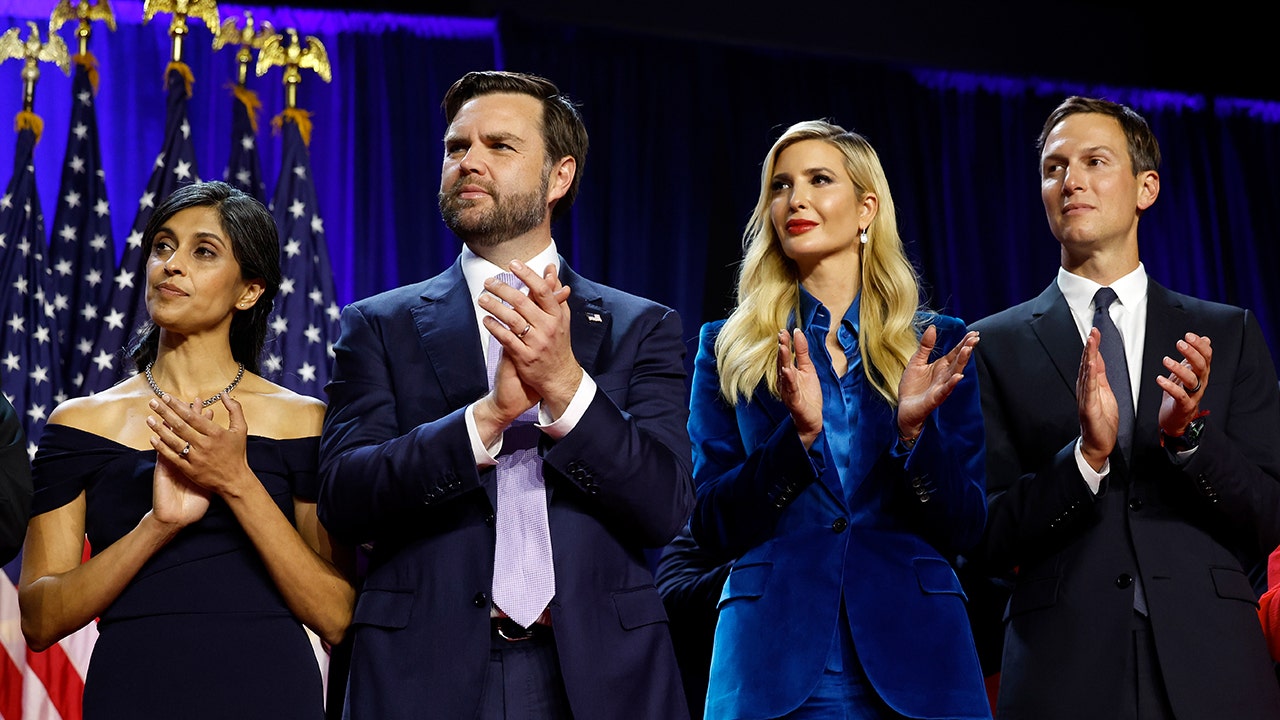
The United States is gearing up for a new era with the re-election of President Donald J. Trump and the historic appointment of Usha Vance as the first Indian American second lady in the White House. Vance, who is also set to become the first Hindu second lady, is the daughter of Indian immigrants and has been making waves with her poised and graceful presence.
Vice President-elect JD Vance expressed his gratitude towards his wife, Usha, for her unwavering support during this momentous occasion. In a heartfelt message on X, JD Vance thanked his “beautiful wife for making it possible to do this” and acknowledged President Trump for the opportunity to serve the country at such a high level. He also expressed his commitment to fighting for all Americans, showcasing his dedication to the welfare of the nation.
But who is Usha Vance, the woman behind the powerful man? Usha Vance, an attorney, has been married to JD since 2014, and together they have three children – sons Ewan and Vivek, and daughter Mirabel. Before pursuing law, Usha obtained a bachelor’s degree in history from Yale and a master’s in philosophy from the University of Cambridge, showcasing her academic prowess and intellectual depth.
Usha Vance’s professional journey includes completing clerkships for notable figures such as Supreme Court Chief Justice John Roberts and Supreme Court Justice Brett Kavanaugh. Her impressive resume and dedication to the legal field highlight her commitment to justice and excellence.
During the Republican National Committee in July, Usha Vance captivated audiences with her personal story, emphasizing her humble beginnings in San Diego and her immigrant roots from India. Her marriage to JD Vance symbolizes the American dream and the power of love transcending boundaries.
As Usha Vance takes on her new role as the second lady of the United States, she brings with her a sense of grace, intelligence, and strength. Her presence in the White House signifies a new chapter in American politics, one that celebrates diversity, unity, and inclusivity.
In conclusion, Usha Vance’s journey to the White House is a testament to the power of perseverance, love, and dedication. As she navigates her new role with poise and grace, she serves as an inspiration to women everywhere. The United States welcomes Usha Vance with open arms, ready to embrace her as the first Indian American second lady and celebrate the diversity she represents.