Trump teases regime change after ‘monumental’ Iran strikes
President Donald Trump made headlines on Sunday with his bold statement about the possibility of regime change in Iran. Following strategic U.S. strikes on key Iranian nuclear facilities, Trump took to Truth Social to express his views on the Iranian leadership’s ability to “MAKE IRAN GREAT AGAIN.”
In his post, Trump questioned why there would not be a leadership shift in Iran after the devastating blow to the country’s nuclear program. He emphasized the need for change if the current regime is unable to fulfill its promises. “It’s not politically correct to use the term, ‘Regime Change,’ but if the current Iranian Regime is unable to MAKE IRAN GREAT AGAIN, why wouldn’t there be a Regime change???” he wrote. “MIGA!!!”
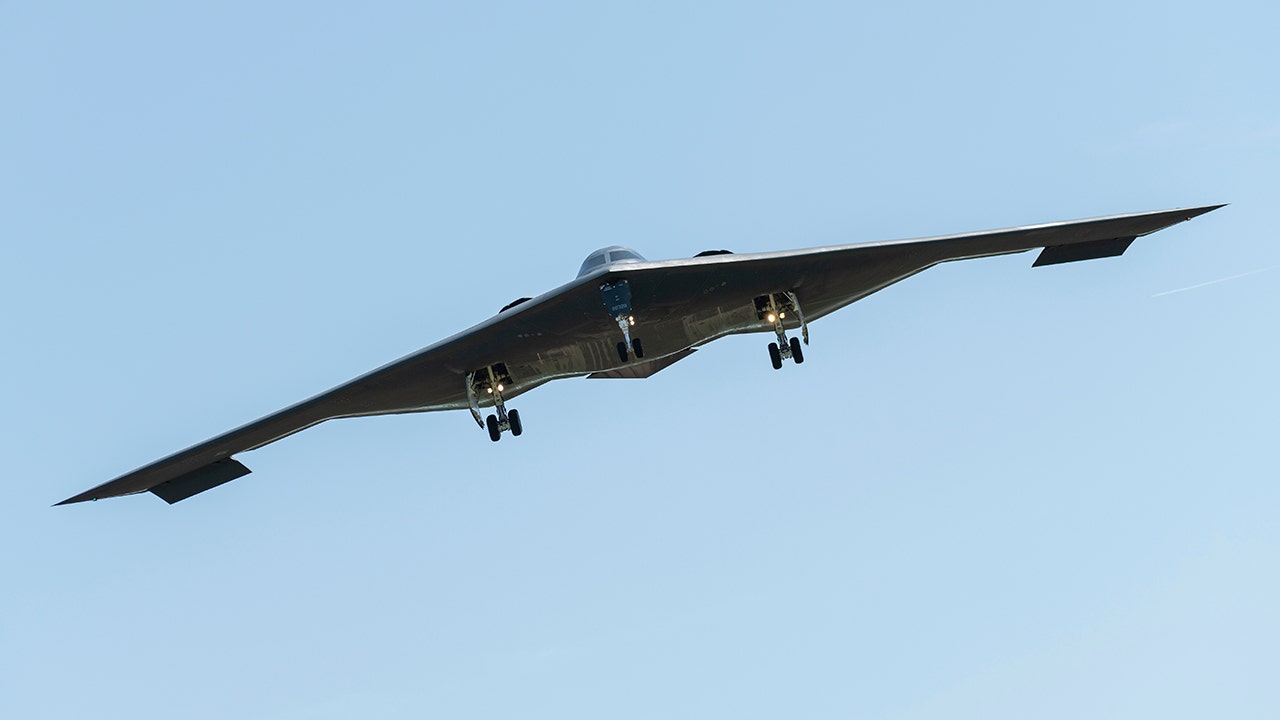
Earlier in the day, Trump praised the B-2 stealth bombers that carried out the strategic attacks, stating that they had landed safely at Whiteman Air Force Base in Missouri. He commended the pilots for their exceptional skills and thanked them for a job well done.
The president also addressed skepticism from critics about the success of the operation, stating that the damage to the Iranian nuclear sites was “monumental.” He praised the accuracy and precision of the strikes, highlighting the great skill displayed by the military.
The U.S. strikes targeted nuclear facilities in Fordow, Natanz, and Isfahan, with more than 125 aircraft involved in the operation. This included seven B-2 stealth bombers, various fighter jets, air refueling tankers, a guided missile submarine, and a full array of intelligence, surveillance, and reconnaissance aircraft.
Overall, Trump’s bold statements and the successful U.S. strikes have sparked discussions about the future of Iran and the potential for regime change. The president’s unwavering stance on making Iran great again has set the stage for significant developments in the region.
For more updates on this story and other breaking news, stay tuned to Fox News Digital. Our team of journalists, including breaking news writer Alexandra Koch, is committed to bringing you the latest updates and analysis on this evolving situation.