Trump tariffs face key Senate vote
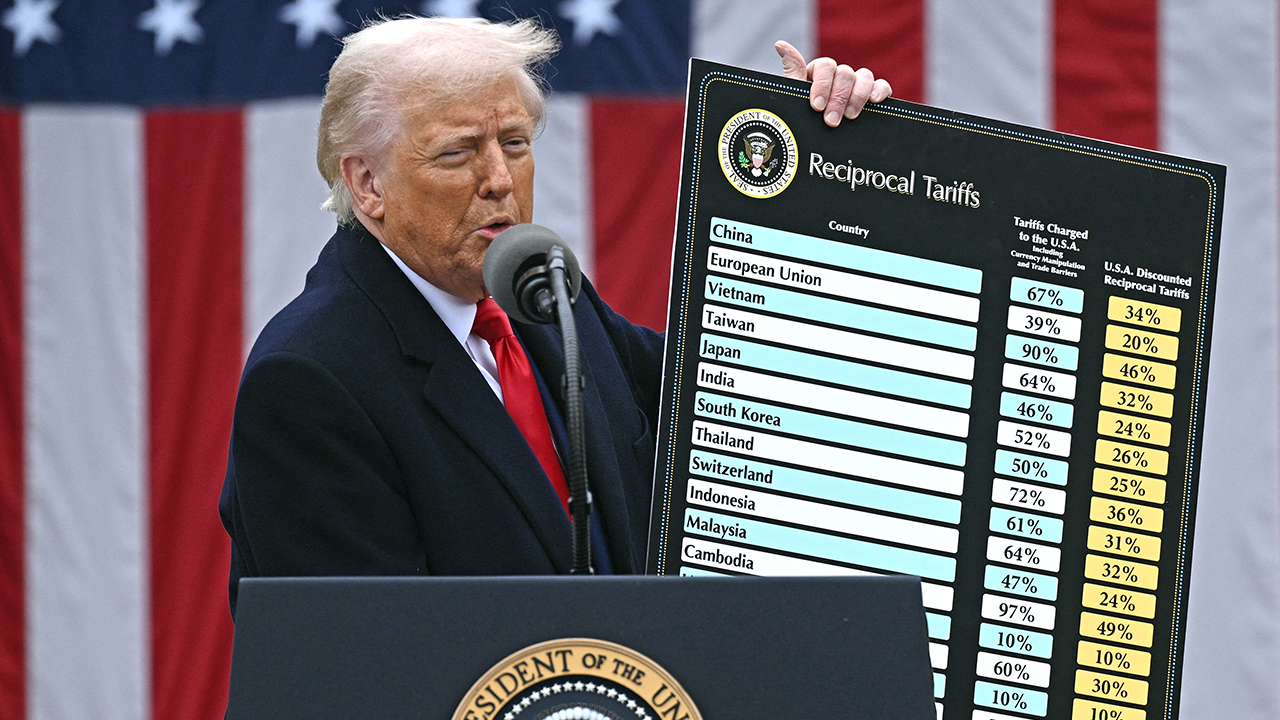
The Senate faced a critical vote on Wednesday regarding President Donald Trump’s controversial “Liberation Day” tariff agenda. The resolution to reject the tariffs was introduced by Sen. Ron Wyden, D-Ore., as a “privileged” one, meaning it required a vote regardless of the Senate’s Republican majority. The resolution ultimately failed with a vote of 49-49, with three Republicans breaking ranks to join Democrats in opposing the tariffs.
Senators Lisa Murkowski, Susan Collins, and Rand Paul were among the Republicans who voted against Trump’s tariff plans, expressing concerns about the economic impact of the levies. Sen. Mitch McConnell and Sen. Sheldon Whitehouse did not vote on the resolution. The absence of Whitehouse was attributed to his return from South Korea, according to reports.
Before the vote, there was speculation about the potential impact of key absences on the outcome, highlighting the significance of each vote. Critics of the tariffs emphasized the need for a more targeted approach, with Sen. Collins describing the tariffs as too broad.
Sen. Paul, a vocal opponent of tariffs and advocate for free trade, highlighted the conservative principle of minimizing taxes and emphasized the detrimental effects of imposing tariffs on trade. He underscored the importance of congressional oversight in taxation and raised concerns about the broad use of national emergency declarations to justify tariffs.
The debate in the Senate underscored the complexities of trade policy and the diverging viewpoints within the Republican Party on the issue. Sen. Tim Kaine previously criticized Trump’s tariffs on Canada, arguing that the declared emergency did not align with the actual trade implications.
Overall, the Senate’s failure to pass the resolution rejecting Trump’s tariffs reflects the ongoing debates and divisions within the political landscape. The concerns raised by both Democrats and Republicans highlight the need for a comprehensive and strategic approach to trade policy.
As the discussions on tariffs continue, it remains to be seen how the Trump administration will navigate the economic challenges and diplomatic ramifications of its trade agenda. The evolving dynamics in the Senate and the broader political arena will shape the future of U.S. trade relations and the global economic landscape.