U.S. appeals court finds Trump tariffs unlawful, setting up likely Supreme Court showdown
A recent decision by a U.S. federal appeals court has deemed many of President Donald Trump’s tariffs as illegal. However, the court has allowed the tariffs to remain in place as the case is expected to move to the Supreme Court for further review.
The United States Court of Appeals for the Federal Circuit found that certain tariffs, such as the “Liberation Day” tariffs and those related to fentanyl, exceeded the powers granted by the national security statute used by the president to impose them. Trump had utilized the International Economic Emergency Powers Act of 1977 to impose tariffs on nearly all countries, citing national security concerns as the basis for his actions.
The court’s ruling highlights the fact that the statute used by the president does not explicitly mention tariffs, and that the authority to levy taxes and tariffs lies with Congress according to the U.S. Constitution. The Liberty Justice Center, representing some of the businesses affected by the tariffs, argued that the president cannot unilaterally impose tariffs without congressional approval.
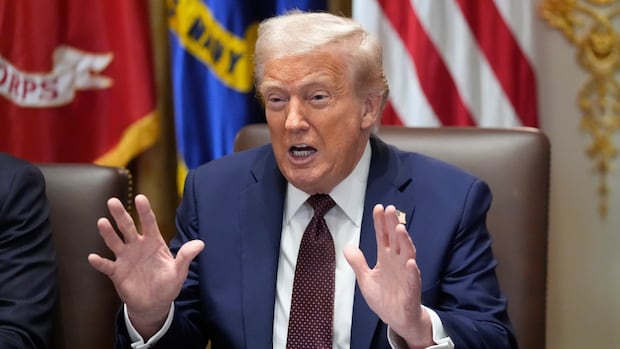
Despite the court’s decision, Trump took to social media to reaffirm that the tariffs remain in effect, calling the court “highly partisan.” He expressed his belief that removing the tariffs would be detrimental to the country’s financial strength and emphasized the need to maintain a strong economic stance.
Meanwhile, the White House defended the president’s actions, stating that Trump lawfully exercised his tariff powers to protect national and economic security. The administration remains confident of a favorable outcome in the ongoing legal battle over the tariffs.
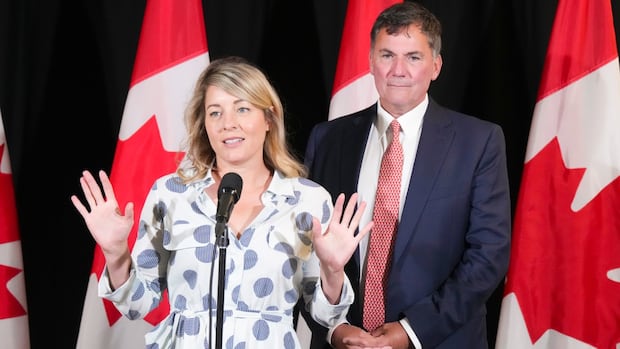
The global trade war initiated by Trump has impacted various countries, including Canada. Tariffs imposed on Canadian imports have been justified by the administration citing concerns over fentanyl and retaliatory measures. Despite minimal fentanyl seizures at the northern border, tariffs on Canadian goods have been increased, leading to strained trade relations between the two countries.
As the legal challenges to the tariffs continue, it remains to be seen how the Supreme Court will ultimately rule on the matter. In the meantime, businesses and consumers affected by the tariffs are left to navigate the uncertainty and economic consequences brought about by the ongoing trade disputes.