
Biden seated toward back of world leaders section at Pope’s funeral, takes selfies
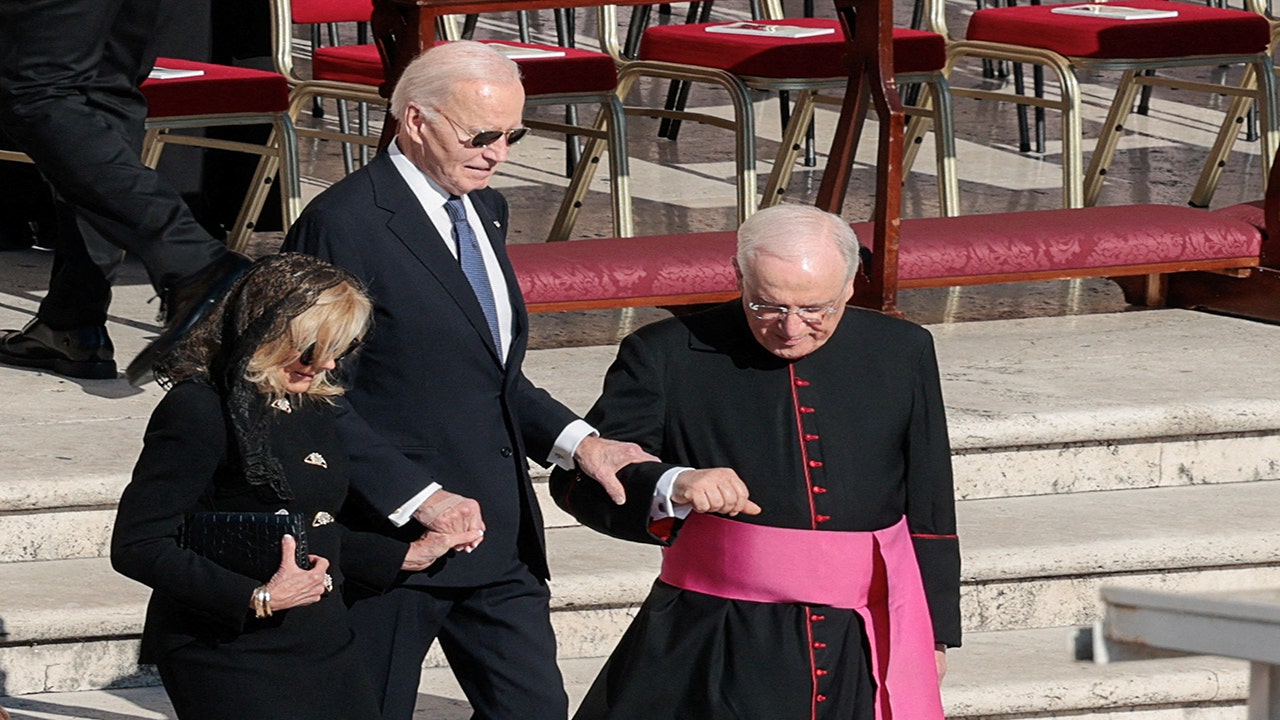
Former President Joe Biden was in attendance at Pope Francis’ funeral at the Vatican, alongside many other global luminaries. However, the dynamics have shifted significantly now that he is no longer the leader of the free world.
Biden, accompanied by his wife, former first lady Jill Biden, found themselves seated towards the back of the foreign dignitaries section, away from President Donald Trump and other world leaders. The change in seating arrangement was a stark reminder that they are no longer heads of state.
Social media was abuzz with comments about Biden’s new position in the world order. One user remarked, “Biden is no longer part of the cool kids club,” while another joked about how he looked “lost” at the funeral. The shift in status was evident as Biden navigated the event, being escorted to his seat by his wife and a priest.
Despite the change in seating, Biden seemed to be in good spirits, taking selfies with Uganda Deputy Speaker of Parliament Thomas Tayebwa and engaging with other mourners. As the second Catholic U.S. president, Biden had previously met Pope Francis on several occasions, discussing topics like climate change and advocacy for the poor.
During his presidency, Biden awarded Pope Francis the Presidential Medal of Freedom and praised him as a “consequential” leader. Describing the pope as a “Pope for everyone,” Biden highlighted his commitment to serving the most vulnerable and reaching out to different faiths.
Pope Francis, who had battled health issues for years, passed away at the age of 88 due to complications from a cerebral stroke. His legacy as the first Jesuit pope and his dedication to serving the poor will be remembered by many.
As the world mourns the loss of Pope Francis, it serves as a reminder of the shifting dynamics in global leadership. Biden’s presence at the funeral, while no longer in the forefront of world politics, symbolizes a new chapter in his post-presidential life.
In conclusion, the funeral of Pope Francis brought together leaders from around the world, highlighting the complexities of power and influence. Biden’s presence, though relegated to the back of the section, underscores the transient nature of leadership and the enduring impact of individuals like Pope Francis on the world stage.


