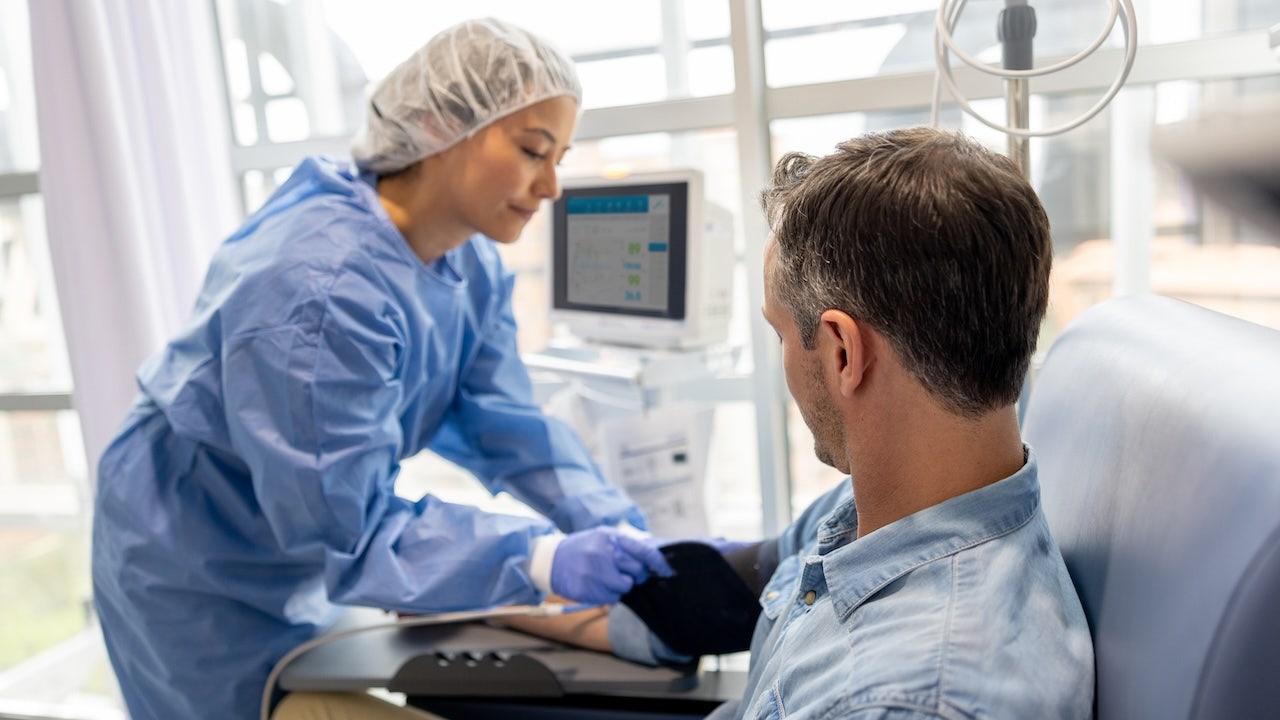
Years after my concussion, I still struggle to process sounds

Living with Auditory Processing Disorder: My Journey to Understanding and Coping
My name is Jessica Sunter, and I am a nurse living with auditory processing disorder (APD) in Ottawa. The journey to understanding and coping with this condition has been a challenging yet enlightening one. Like dyslexia, but for the ears, APD has significantly impacted my ability to process sounds accurately, leading to confusion and misinterpretation in everyday interactions.
I first realized something was amiss when my spouse mentioned having “cheese ‘n’ kabobs” for dinner. It sounded odd to me, so I asked her to repeat herself. It turns out she had actually said “chicken kebabs.” This incident highlighted the disconnect between what my ears were hearing and how my brain was processing the information. It wasn’t a matter of hearing loss but rather a struggle with processing sounds effectively.
After undergoing testing, I was officially diagnosed with APD. Unlike some individuals who are born with the condition, I developed it following a concussion five years ago. The concussion led to post-concussion syndrome, and while other symptoms gradually improved, the issue with hearing things differently persisted.
Finding the right audiologist was crucial in unraveling the mystery of my auditory struggles. Through a series of assessments and questions about my tolerance for noise, ability to understand conversations in noisy environments, and level of distraction by sounds, I finally received a clear diagnosis. APD often overlaps with other medical conditions, making it challenging to pinpoint without specialized testing.
Living with APD has presented numerous challenges in my daily life. Simple interactions such as listening to music, reading, and engaging in conversations became arduous tasks. I frequently found myself asking my spouse to repeat herself, struggling to comprehend what was being said. The feeling of being unable to grasp spoken words was disorienting and frustrating.
Despite the lack of a cure for APD, there are tools and strategies to help manage the condition. Hearing aids have been instrumental in addressing both my hearing loss and tuning into specific sources of sound while minimizing background noise distractions. Utilizing earphones during important phone conversations has also proven beneficial in enhancing my ability to focus on the speaker.
Advocating for myself has been a crucial aspect of navigating life with APD. From seeking medical professionals who understand my condition to educating colleagues and loved ones about my communication needs, I have learned to assert my needs and create a supportive environment. By embracing the tools at my disposal and adapting to the changes in how my brain processes information, I have found a sense of empowerment in effectively communicating with those around me.
While the journey with APD has been challenging, it has also brought newfound clarity and understanding. I can now enjoy music again and engage in conversations without the constant struggle to comprehend. My spouse no longer faces the frustration of repeating herself endlessly, and our interactions have become more seamless and enjoyable.
Living with APD has its ups and downs, but with determination and the right support system, I have learned to navigate the world with a newfound sense of confidence. My future looks brighter now that I have the tools and knowledge to communicate effectively and embrace the unique way my brain processes sound.
If you have a compelling personal story that can bring understanding or help others, we want to hear from you. Share your experiences with us at ottawafirstperson@cbc.ca.