
Trump administration defends consistent stance against Iran nuclear weapons
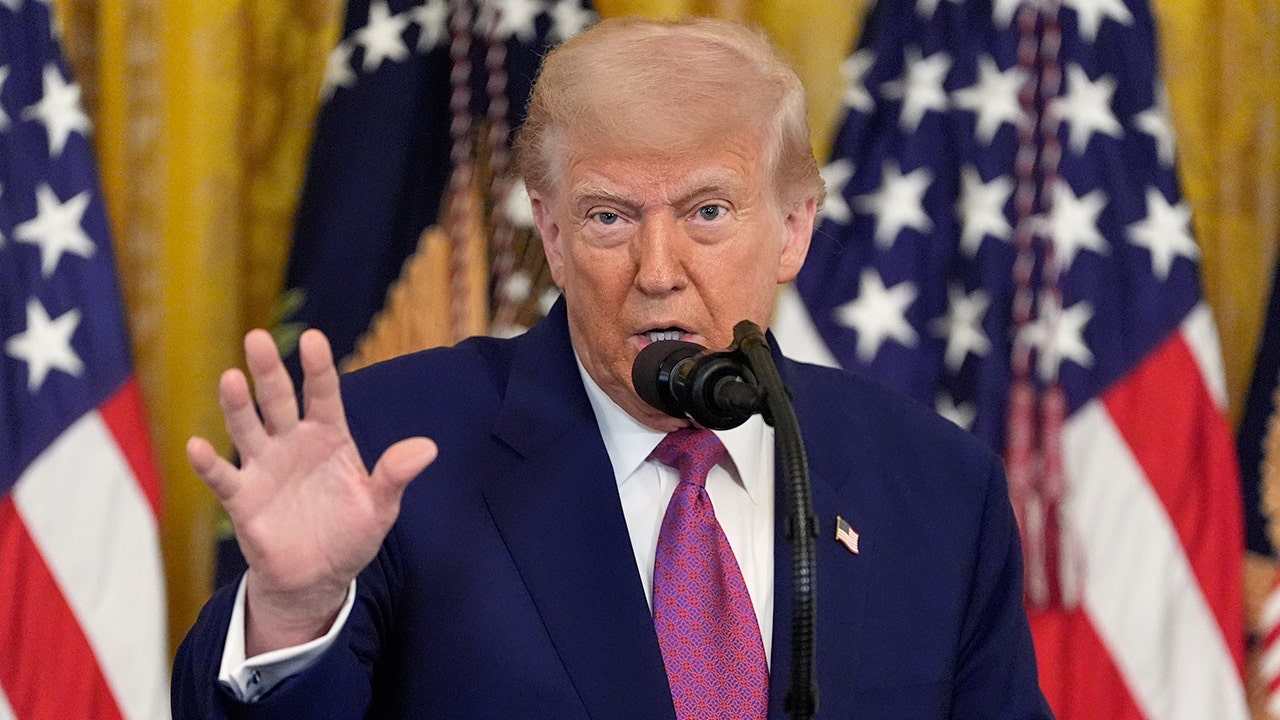
President Donald Trump is making it clear that he will not tolerate Iran obtaining a nuclear weapon under any circumstances. The White House’s rapid response team has released a series of 30 clips showing Trump’s consistent stance against Iran’s nuclear ambitions over the years. These clips highlight Trump’s unwavering commitment to preventing Iran from developing nuclear weapons.
In a recent clip from May 2025, Trump emphasized that Iran cannot be allowed to threaten America and its allies with terrorism or a nuclear attack. He reiterated that Iran must never have a nuclear weapon, emphasizing the importance of ensuring the safety and security of the American people and its allies.
Vice President JD Vance has also come to Trump’s defense, stating that the former president has been remarkably consistent in his stance against Iran’s nuclear program for over a decade. Vance emphasized that Trump’s focus is on using the American military to achieve the goals of the American people and to prevent Iran from obtaining nuclear weapons.
Trump’s opposition to Iran’s nuclear ambitions dates back to his first term in office in 2018 when he withdrew from the Obama-era Iran nuclear deal, known as the Joint Comprehensive Plan of Action (JCPOA). Trump referred to the JCPOA as one of the worst and most one-sided transactions the United States had ever entered into. He has remained steadfast in his commitment to ensuring that Iran has no possible path to a nuclear weapon.
Critics from both sides of the aisle have emerged, but Trump’s unwavering stance on Iran’s nuclear program remains clear. The White House is working to showcase Trump’s long history of opposing Iran’s nuclear ambitions and his commitment to preventing Iran from developing nuclear weapons. The clips released by the White House highlight Trump’s consistent message that Iran cannot be allowed to possess nuclear capabilities.
In the midst of rising tensions with Iran, Trump is demanding unconditional surrender from the Iranian regime. His firm stance against Iran’s nuclear ambitions is unwavering, and he is determined to ensure the safety and security of America and its allies. Trump’s consistent opposition to Iran obtaining nuclear weapons underscores his commitment to protecting the American people and preventing a nuclear threat from Iran.


