She was searching online for a recipe. She found a video of herself engaged in a sexual act

Natalie Brown’s story is a harrowing reminder of the impact of intimate partner violence and the challenges survivors face in seeking justice and healing. Brown’s experience of having intimate images shared online without her consent is a form of abuse that has lasting effects on the victim’s mental and emotional well-being.
Discovering the video of herself engaged in a sexual act on a social networking site was a humiliating and terrifying experience for Brown. Her former partner, Conor Dolan, had taken the video while she was blindfolded and then shared it without her permission. Despite the trauma of this violation, Brown showed incredible strength in pursuing legal action against Dolan.
The court proceedings that followed resulted in Dolan pleading guilty to the distribution of intimate images without consent. While he received a conditional sentence, Brown’s decision to speak out and lift the publication ban protecting her identity is a bold step towards raising awareness about intimate partner violence. In a time when Nova Scotia has seen a tragic increase in killings related to intimate partner violence, Brown’s advocacy is more important than ever.
Brown’s experience also sheds light on the challenges survivors face in removing intimate images from the internet. Despite her efforts to have the video taken down, she encountered obstacles from the social networking site claiming they could not verify her identity. It was only through the intervention of Nova Scotia’s CyberSCAN unit that the video was successfully removed.
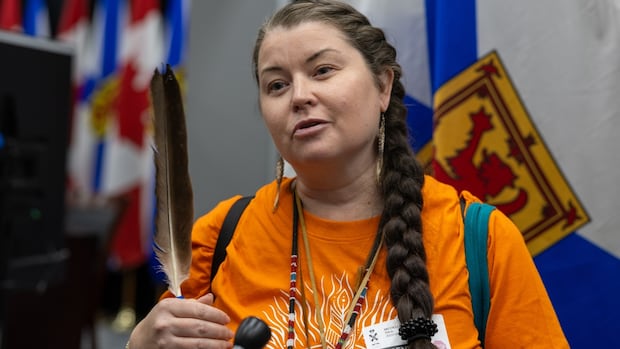
Brown’s courage in speaking out about her experience serves as a beacon for other survivors of intimate partner violence. She highlights the need to remove the stigma surrounding these issues and to provide better resources and support for those who have experienced abuse. By sharing her story, Brown hopes to empower others to come forward and seek justice.
It is crucial for individuals affected by family or intimate partner violence to know that support is available. Crisis lines and local support services can provide assistance to those in need of help. In cases of immediate danger, it is important to call 911 for immediate assistance.
Natalie Brown’s journey towards justice and healing is a testament to her resilience and determination. Her advocacy serves as a reminder that no one should have to endure the trauma of intimate partner violence alone. By standing up and speaking out, Brown is paving the way for a future where survivors are heard, supported, and empowered to seek justice.