What did the Bush administration, 9/11 Commission say about REAL ID legislation?
As the 20th anniversary of the 9/11 terror attacks approaches, the implementation of the REAL ID Act is set to take effect next month, marking a significant step in bolstering national security and cracking down on crime and illegal immigration in the U.S. The legislation, which was introduced by former Wisconsin Republican Rep. Jim Sensenbrenner in 2005, is aimed at preventing terrorist entry into the country by setting higher standards for government-issued identification.
The 9/11 Commission’s report highlighted the importance of tightening procedures for non-citizen entry into the U.S. and enhancing the security and integrity of driver’s licenses. The commission found that the 9/11 hijackers had acquired fraudulent IDs, including driver’s licenses from various states, which allowed them to carry out the attacks undetected.
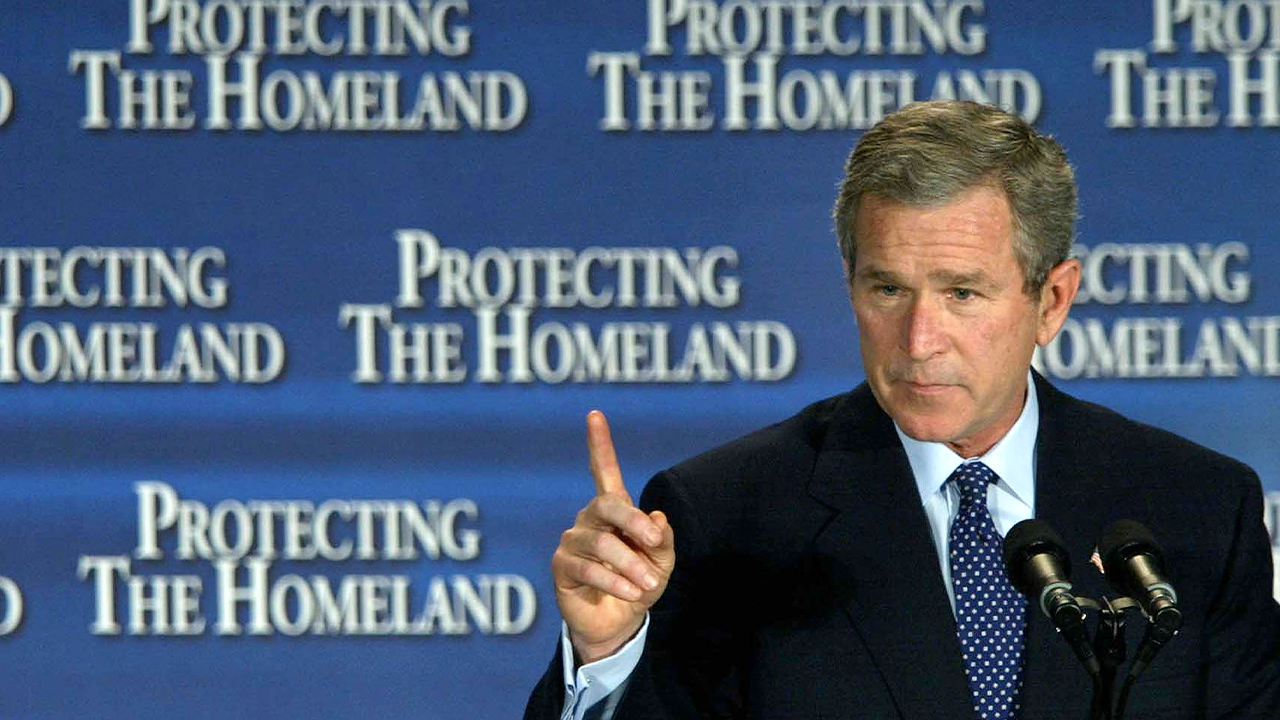
Following the commission’s recommendations, the REAL ID Act passed both chambers of Congress in May 2005 with overwhelming support from lawmakers, particularly Republicans. The Bush administration, in a statement, expressed strong support for the legislation, emphasizing its role in protecting the country against terrorist activities. Sensenbrenner hailed the act as a crucial tool in disrupting terrorist operations and securing borders.
Despite the widespread bipartisan support for the REAL ID Act, activist groups criticized it as an attack on immigrants and promoting post-9/11 xenophobia. The legislation faced setbacks over the years, including delays during the coronavirus pandemic and states initially refusing to comply with the requirements.
Now, as the Trump administration’s Department of Homeland Security moves to enforce the REAL ID law, the focus is on preventing individuals in the country illegally from using non-compliant IDs to board flights. The DHS memo obtained by Fox News Digital highlights the higher security standards of REAL IDs, making it nearly impossible to forge legitimate documents and ensuring only verified travelers can fly.
The agency’s efforts to enforce the REAL ID law have drawn criticism from some Republicans who raise concerns about increased government oversight. Democrats, on the other hand, have highlighted the challenges faced by many Americans in obtaining REAL IDs.
As the May 7 deadline approaches, DHS Assistant Secretary for Public Affairs Tricia McLaughlin reaffirmed the agency’s commitment to collaborating with state, local, and airport authorities to inform the public, facilitate compliance, curb wait times, and prevent fraud. The implementation of the REAL ID Act represents a significant step towards enhancing national security and safeguarding against potential terrorist threats.